Understanding the Concept of a Photo Wall
What is a Photo Wall?
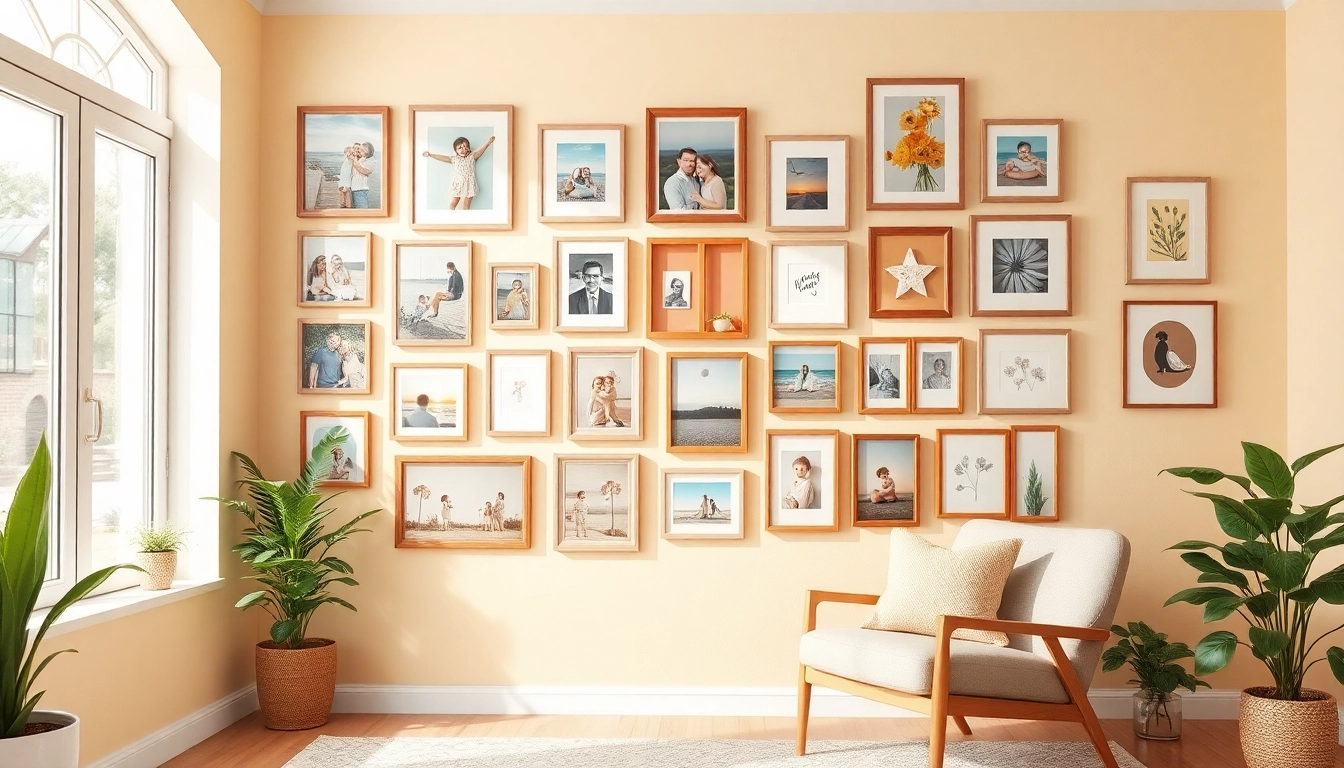
A photo wall is an artistic collection of photographs displayed on a wall, serving both decorative and sentimental purposes. It reflects the personality and experiences of the individuals or families it represents. Unlike a traditional gallery, a photo wall can take various forms, from a grid of framed pictures to a more eclectic collage, and can include a mix of family portraits, vacation memories, or artistic photographs that resonate with the homeowner's style.
Types of Photo Walls
Photo walls come in various styles, each tailored to different tastes and spaces. Here are some popular types:
- Framed Collages: A classic approach where different sized frames create a structured grid or an eclectic arrangement.
- Gallery Walls: These often feature a combination of photos, artwork, and decorative objects to create a dynamic visual story.
- Themed Walls: Focusing on a specific theme, such as travel or family milestones, which helps in curating a coherent aesthetic.
- Temporary Walls: Using removable adhesive strips to hang photos allows for easy updates, perfect for renters.
Why Create a Photo Wall?
Creating a photo wall serves multiple purposes. Not only does it enhance the aesthetic appeal of a space, making it feel more homey and inviting, but it also allows individuals to showcase their personal stories and cherished memories. Additionally, a well-designed photo wall can act as a focal point in a room, igniting conversation and evoking emotions tied to those captured moments. It's a celebration of life's events, milestones, and the relationships we cherish.
Planning Your Photo Wall
Choosing a Theme
Choosing a specific theme for your photo wall can streamline the entire process. Popular themes include:
- Travel Adventures: Highlighting photos from different countries or cities you’ve visited.
- Family Milestones: Capturing important events such as weddings, birthdays, and graduations.
- Nature and Landscape: Showcasing your love for nature through beautiful landscapes or wildlife photography.
- Personal Achievements: Celebrating accomplishments like promotions or sports victories with related imagery.
Selecting the Right Space
The location of your photo wall plays a critical role in its success. Consider these factors:
- Lighting: Natural light enhances the visibility of photos and provides a warm ambiance.
- Wall Size: A larger wall provides more display options, while a smaller wall may encourage a more concise, focused approach.
- Proximity to Gathering Areas: Positioning your photo wall near living rooms or dining areas makes it more likely to be enjoyed by guests.
- Height Considerations: Ensure the photos are at eye level for optimal viewing, adjusting for the average height of those in your home.
Gathering Materials and Tools
Your photo wall will require careful selection of materials and tools to ensure a polished finish. Essential items include:
- Frames: Choose a mix of styles and sizes based on your theme.
- Mounting Tools: Picture hooks, adhesive strips, or nails, depending on the wall type and weight of frames.
- Measuring Tape: Useful for ensuring even spacing and alignment.
- Wall Protection Items: Consider wall protectors or felt pads to prevent damage.
Designing Your Photo Wall
Choosing Frames and Layouts
The choice of frames is crucial as it impacts the overall aesthetic of your photo wall. Mixing frame styles can create interesting contrast, whereas matching frames can evoke a cohesive look. Here are some layout ideas:
- Grid Layout: Perfect for a structured, orderly appearance. Ideal for similar-sized frames.
- Eclectic Layout: A random assortment of frames that create an informal, collected look.
- Symmetrical Layout: Using centered pieces to anchor the design, surrounded by others.
- Asymmetrical Layout: A balanced approach that feels dynamic without being rigid.
Incorporating Different Media Types
Don’t limit your wall to just photos. Consider including:
- Artwork: Incorporating paintings or prints adds variety and texture.
- Quotes: Featuring framed quotes or typography adds a personal touch.
- 3D Objects: Small shelves or decorative items can provide depth and interest to your wall.
- Textiles: Fabric pieces, such as quilts or woven wall hangings, can introduce warmth and dimension.
Steps to Arrange Your Photos
Arranging your photos can be daunting, but following a systematic approach can simplify the process:
- Lay out your frames on the floor to visualize the arrangement.
- Start with the largest pieces to create a foundation.
- Fill in with smaller frames, adjusting the layout as necessary.
- Use painter’s tape to outline frame shapes on the wall for easy positioning.
- Step back frequently to assess the overall balance and aesthetic.
Executing the Installation
Techniques for Hanging Photos
Properly hanging your photos ensures that they remain secure and look good over time. Consider these methods:
- Nailing: Use nails for heavier frames. Be sure to locate studs for support.
- Adhesive Strips: Perfect for lightweight frames and ensures no damage to the wall.
- Wall Anchors: Good for heavier frames on drywall, they distribute the weight effectively.
Ensuring Structural Integrity
Before finalizing the installation, it's essential to confirm that your frames are securely mounted. Check for:
- Level Alignment: Use a level to ensure frames are straight.
- Weight Distribution: Arrange heavier frames at the bottom or center for balance.
- Secure Fasteners: Ensure all hanging hardware is appropriate for the wall material.
Finishing Touches for Visual Appeal
Adding the final touches can significantly enhance the overall look of your photo wall. Consider these options:
- Lighting: Install picture lights or spotlights to highlight the photos.
- Decorative Elements: Incorporate small plants or sculptures to create depth.
- Matting: Use mats in frames to give photos a polished, professional look.
- Accessibility: Leave space for new additions, allowing for easy updates over time.
Maintaining Your Photo Wall
Updating the Collection Over Time
A photo wall is not just a one-time project; it evolves with your life. Regularly updating your collection ensures that it reflects your current experiences and memories. Consider seasonal updates to keep the wall fresh and engaging for visitors. This could mean adding new vacations, family gatherings, or achievements.
Cleaning and Preserving Your Photos
Keeping your photo wall looking pristine requires occasional maintenance. Dust frames regularly and clean glass surfaces to minimize glare. For photos, consider using UV-resistant glass to reduce fading from sunlight. Store extra photos in a climate-controlled environment to preserve them for future use.
Evaluating and Enhancing Your Design
Periodically assess your photo wall’s design. Is it still in line with your aesthetic? Do any photos or frames need replacement? Subtle enhancements, such as changing a frame color or adjusting layouts, can refresh the overall look and feel.
FAQs about Photo Walls
1. How do I choose photos for my photo wall?
Select images that resonate with you personally or tell a story. Include a mix of families, friends, travels, and events for variety.
2. What’s the best way to arrange photos on a wall?
Start with a focal point and arrange larger frames around it. Utilize symmetrical or asymmetrical layouts based on your style preference.
3. Can I create a photo wall in a rental?
Yes! Use removable adhesive strips or lightweight frames to avoid damaging walls. This allows for easy updates and removals.
4. How often should I update my photo wall?
It’s beneficial to update your photo wall at least once a year or whenever significant life events occur to keep it relevant.
5. What lighting works best for a photo wall?
Natural light is great, but consider installing focused lighting such as picture lights or wall sconces to enhance visibility and ambiance.