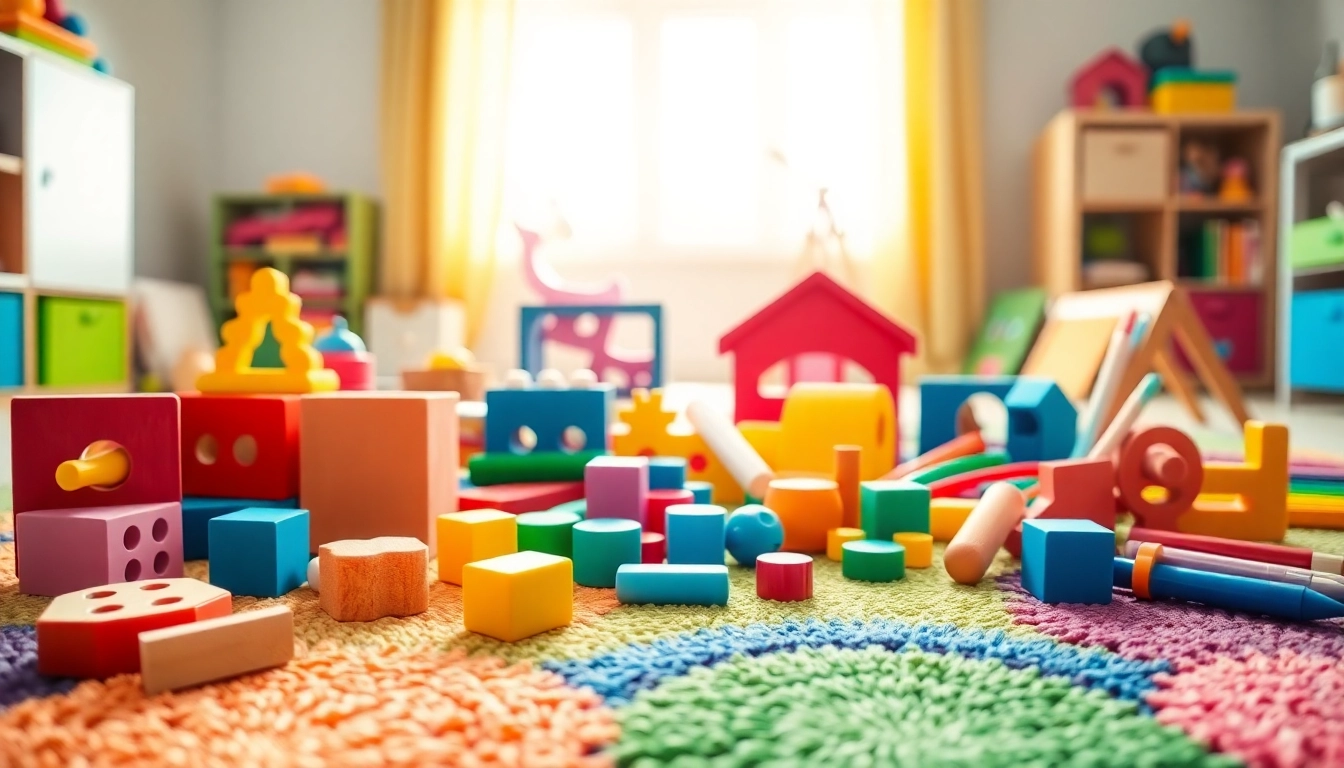
Introduction to Screen-Free Toys
In today's fast-paced digital world, children are becoming increasingly tethered to screens for entertainment and learning. While technology offers numerous benefits, incorporating screen-free toys into playtime is essential for balanced child development. These toys foster creativity, encourage physical activity, and promote social interactions. For parents and caregivers looking to inspire unstructured play, screen-free toys represent an excellent avenue to cultivate imagination and hands-on experiences. To explore a range of choices, visit the website for insights on engaging alternatives.
Importance of Screen-Free Play
Screen-free play is critical for children’s mental and physical health. Research indicates that excessive screen time can lead to issues such as poor sleep, behavioral problems, and decreased physical activity. By providing opportunities for screen-free play, children can escape from the digital distractions of today and experience the world around them. Such play enhances cognitive abilities and fine motor skills while allowing them to explore creativity without the constraints of guided programs.
Benefits to Child Development
The benefits of screen-free play extend well beyond just reducing screen time. Children develop problem-solving skills, enhance their creativity, and cultivate better social interactions. Here are a few key developmental advantages:
- Enhanced Creativity: Screen-free toys allow children to explore their imagination, resulting in unique play scenarios that screens often do not offer.
- Improved Fine Motor Skills: Toys requiring manipulation, assembly, and crafting strengthen hand-eye coordination and dexterity.
- Social Skills Development: Engaging in group activities using screen-free toys fosters teamwork and communication skills.
Overview of Popular Types
Not all toys are created equal. Among screen-free toys, several categories shine when it comes to encouraging active, creative, and social play. The most recognized categories include:
- Building Blocks and Construction Sets: These toys promote spatial awareness and imaginative design.
- Arts and Crafts Kits: Enable children to express themselves creatively through various mediums.
- Puzzles and Board Games: Encourage critical thinking and often can accommodate multiple players, enhancing social interaction.
Top Picks for Screen-Free Toys
With countless options available, determining the best screen-free toys for children can be overwhelming. Below are some top choices that effectively cater to different interests and developmental needs.
Building Blocks and Construction Sets
Building blocks and construction sets ignite the spirit of creativity in children. They not only serve as vehicles for imaginative play but also teach basic physics and engineering principles. Popular options include:
- Wooden Building Blocks: Classic and durable, these blocks are available in various shapes and sizes, promoting endless creative possibilities.
- Magnetic Tiles: These colorful tiles connect through magnets and can be combined to create geometric shapes and structures, stimulating spatial thinking.
- Construction Vehicle Sets: Sets that include vehicles and tools allow children to explore construction themes while honing their fine motor skills.
Arts and Crafts Kits
Arts and crafts kits provide an excellent outlet for creativity, allowing kids to explore their artistic talents. These kits often include various materials and tools that stimulate creativity and design. Key types of kits include:
- Painting Kits: Equipped with canvases, brushes, and colors, these kits encourage exploration in painting and personal expression.
- Craft Projects: Kits that require assembling materials allow children to physically create items like jewelry, decorations, or toys.
- Recycling Craft Kits: These sets encourage environmentally conscious play by using repurposed materials in creative projects.
Puzzles and Board Games
Puzzles and board games are perfect for stimulating strategic thinking and social skills. The variety available today provides challenging options for different age groups. Important considerations include:
- Jigsaw Puzzles: Available from simple to complex designs, they not only enhance cognitive skills but also encourage patience.
- Cooperative Board Games: These emphasize teamwork, allowing children to work together towards a common goal instead of competing against one another.
- Themed Games: Catering to specific interests (e.g., nature, space, history), themed games broaden educational horizons while still being entertaining.
Creative Play Ideas for Kids
Screen-free toys can be utilized in numerous imaginative play scenarios. Here are some innovative ways to incorporate them into daily routines.
Group Activities to Encourage Interaction
Organizing group activities can enhance social skills among children and create opportunities for meaningful interactions. Consider suggesting the following:
- Baking Parties: Engage children in cooking or baking tasks, using tools and toys to simulate real-life situations.
- Outdoor Treasure Hunts: Combine physical activity with problem-solving by creating scavenger hunts that require teamwork.
- Crafty Group Projects: Set up craft stations at gatherings or parties where kids can create together while sharing ideas and techniques.
Individual Projects for Quiet Time
Screen-free toys can also provide constructive entertainment during quiet moments. Consider encouraging individual projects such as:
- Mini Art Stations: Set up a corner with basic art supplies where children can explore their creativity independently.
- Puzzle Challenges: Encourage kids to complete puzzles alone, fostering focus and patience.
- Building Masterpieces: Allow children to create their own designs using building blocks, promoting independence and self-expression.
Themed Play Dates and Gatherings
Themed play dates enhance excitement and participation while keeping engagement high. Suggestions include:
- Space Adventure: Equip kids with space-themed toys and encourage them to create their own planets and planetscapes.
- Fantasy World: Use arts and crafts to let them create creatures or environments of their imagination.
- Nature Explorers: Combine outdoor play with nature-themed toys and activities that highlight the outdoors.
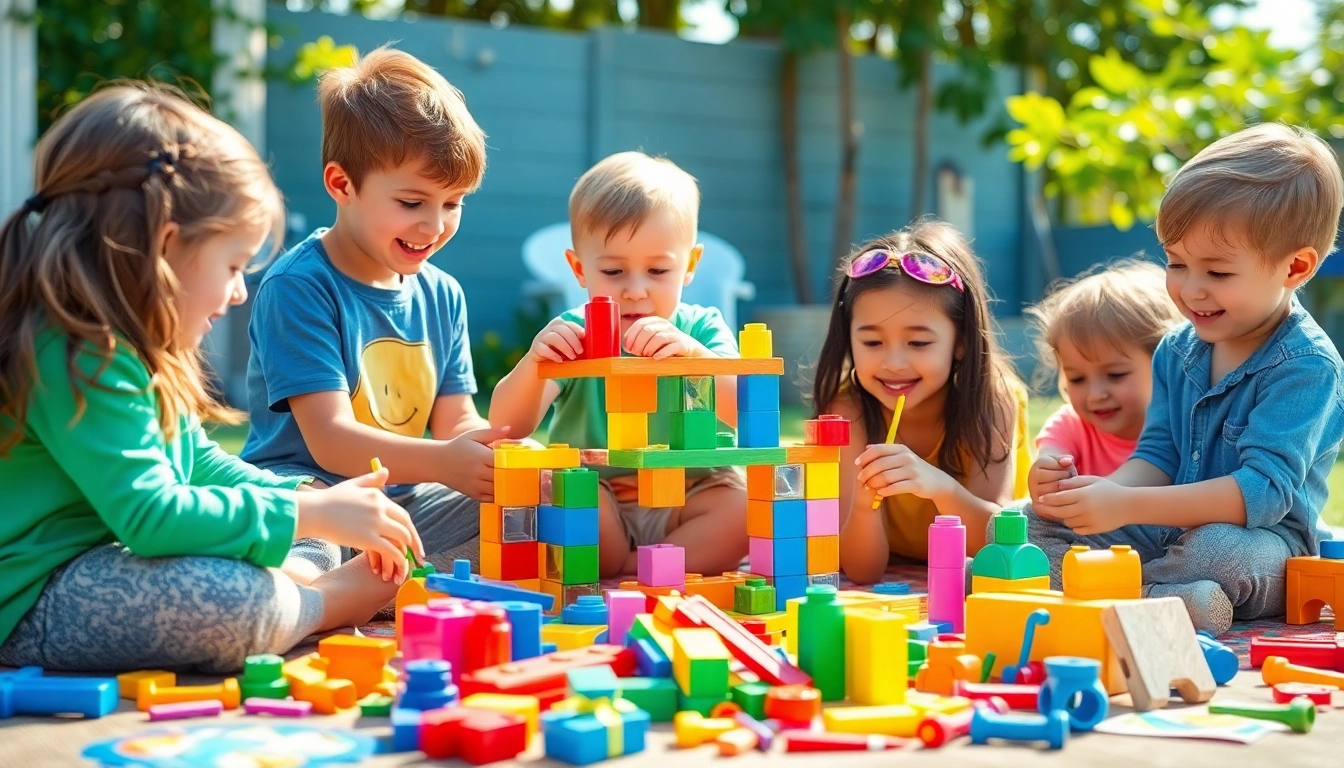
Tips for Implementing Screen-Free Time
Transitioning to screen-free play can be a challenge, but strategies can help make it easier for families to embrace this change.
Setting Boundaries Around Technology
Establishing clear boundaries surrounding technology is essential. Consider designating specific times for screen-free activities, ensuring that children understand and anticipate these tech-free intervals.
Creating a Dedicated Play Space
Having a space dedicated to screen-free play can encourage kids to engage in these activities. It might include shelves for toys, comfortable seating, and a vibrant environment that invites exploration and creativity.
Involving Kids in Choosing Activities
Involving children in selecting their screen-free play activities can enhance their excitement and commitment. Discuss options with them, allowing children to express their interests and preferences.
Frequently Asked Questions
How do I choose the right toys?
Focus on age-appropriateness, safety, and developmental benefits to ensure the best experience for your child.
How can I promote screen-free time?
Set designated times for play, provide engaging options, and model screen-free behavior yourself for effective implementation.
What are the benefits of screen-free play?
It fosters creativity, improves fine motor skills, and enhances social interactions, contributing to overall child development.
How can I keep kids engaged for longer?
Rotate toys regularly, introduce new projects, and encourage collaborative play to maintain interest and engagement.
Are screen-free toys more effective than digital ones?
Many experts agree that screen-free toys promote creativity and critical thinking better than digital alternatives.