Understanding Screen-Free Play
In an increasingly digital world, the introduction of screen-free toys has never been more pertinent. As children spend more time on tablets, phones, and computers, the importance of offline play is crucial. Screen-free toys offer creative outlets that stimulate imagination and fine motor skills, all while keeping children engaged without screens. For parents seeking inspiration and options for their little ones, visit the website to discover an array of choices that captivate young minds.
The Importance of Screen-Free Toys
Screen-free toys serve as essential tools for fostering development in children. They promote hands-on engagement, encourage exploration, and help develop critical thinking skills. By engaging with physical objects rather than virtual screens, children enhance their sensory experiences and cognitive abilities. These interactions lay foundational skills for problem-solving, creativity, and even social interactions, as many toys encourage group play.
Benefits of Non-Digital Activities
Engaging in non-digital activities brings numerous benefits to children's growth. Firstly, it enhances fine motor skills as children manipulate toys, build structures, or create art. These actions improve hand-eye coordination and dexterity. Secondly, without screens, children often turn to their imagination to guide play, which fosters creativity and innovation. Lastly, non-digital play tends to promote stronger family bonds, as parents and siblings can participate in games, building shared experiences and memories.
Encouraging Creative Thinking
Creative thinking is a vital skill that children will rely on throughout their lives. Screen-free toys often require innovative solutions and imaginative uses. Building blocks, for instance, not only allow children to construct buildings but also inspire them to create fantastical structures from their inventions. Arts and crafts materials encourage emotional expression, while pretend play items like costumes and role-playing toys promote storytelling, further molding a child's ability to think outside the box.
Top Screen-Free Toy Categories
Building and Construction Toys
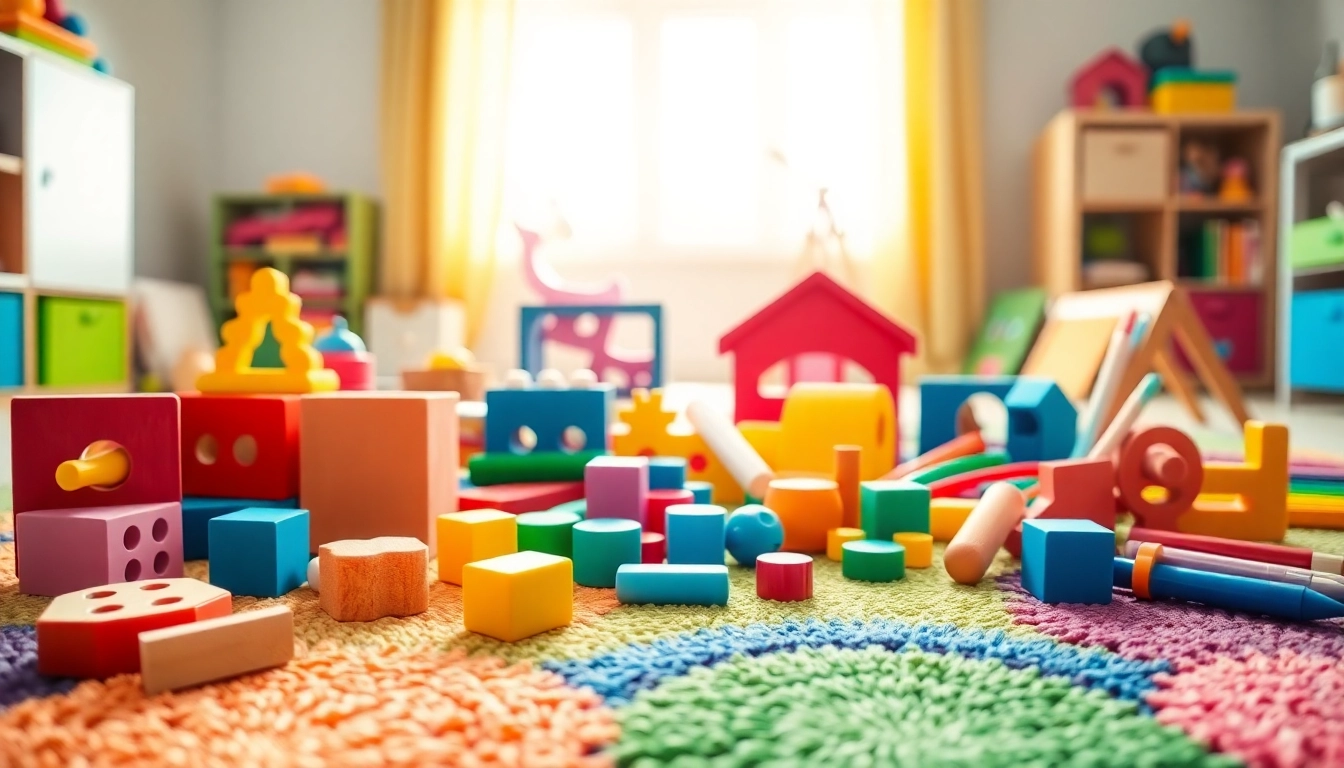
Building and construction toys are excellent for hands-on learning and engineering skills. They include items like building blocks, LEGO sets, and construction kits. These toys encourage the exploration of spatial relationships, balance, and physics principles. Moreover, they can inspire teamwork when children collaborate on projects, allowing them to learn the value of cooperation and shared goals.
Arts and Crafts Supplies
Arts and crafts supplies open up a realm of creativity for kids. From crayons and paints to modeling clay and fabric, these materials allow for self-expression and exploration of various techniques. Engaging in these activities has been shown to enhance cognitive abilities by encouraging problem-solving and critical thinking, as children must plan their projects and tackle challenges creatively.
Puzzles and Board Games
Puzzles and board games present a wonderful opportunity for family interaction and strategic thinking. Puzzles enhance problem-solving skills and perseverance in children as they piece together complex images. Meanwhile, board games foster social skills such as taking turns, following rules, and engaging in friendly competition. These interactive activities teach patience, resilience, and negotiation skills in a fun environment.
Choosing the Right Toys for Your Child
Age-Appropriate Selections
Choosing age-appropriate toys is vital to ensuring that children benefit maximally from their playtime. Toys should suit the developmental milestones appropriate for each age group, as younger children may require simpler toys that help with basic motor skills, while older children may enjoy more complex construction sets or advanced puzzles. A thoughtful selection empowers children to engage deeply with their toys, enhancing learning and enjoyment.
Selecting Engaging Materials
When selecting screen-free toys, consider the interests and personalities of your children. If they are naturally drawn to art, a variety of crafts should be included, whereas those with a penchant for building would delight in blocks or construction sets. It is essential to choose materials that captivate their attention while also providing a challenge to facilitate growth. Engaging toys should spark curiosity and invite exploration beyond the surface.
Creating a Balanced Toy Collection
A balanced toy collection consists of various types of toys that cater to different aspects of development. Combining building toys, art supplies, games, and imaginative play items provides well-rounded experiences for children. This mix not only supports their physical and cognitive growth but also encourages emotional and social development by facilitating both solitary and cooperative play. Regularly assessing and rotating toys will ensure that children remain engaged and inspired.
How to Incorporate Screen-Free Toys into Daily Life
Setting Up Play Zones
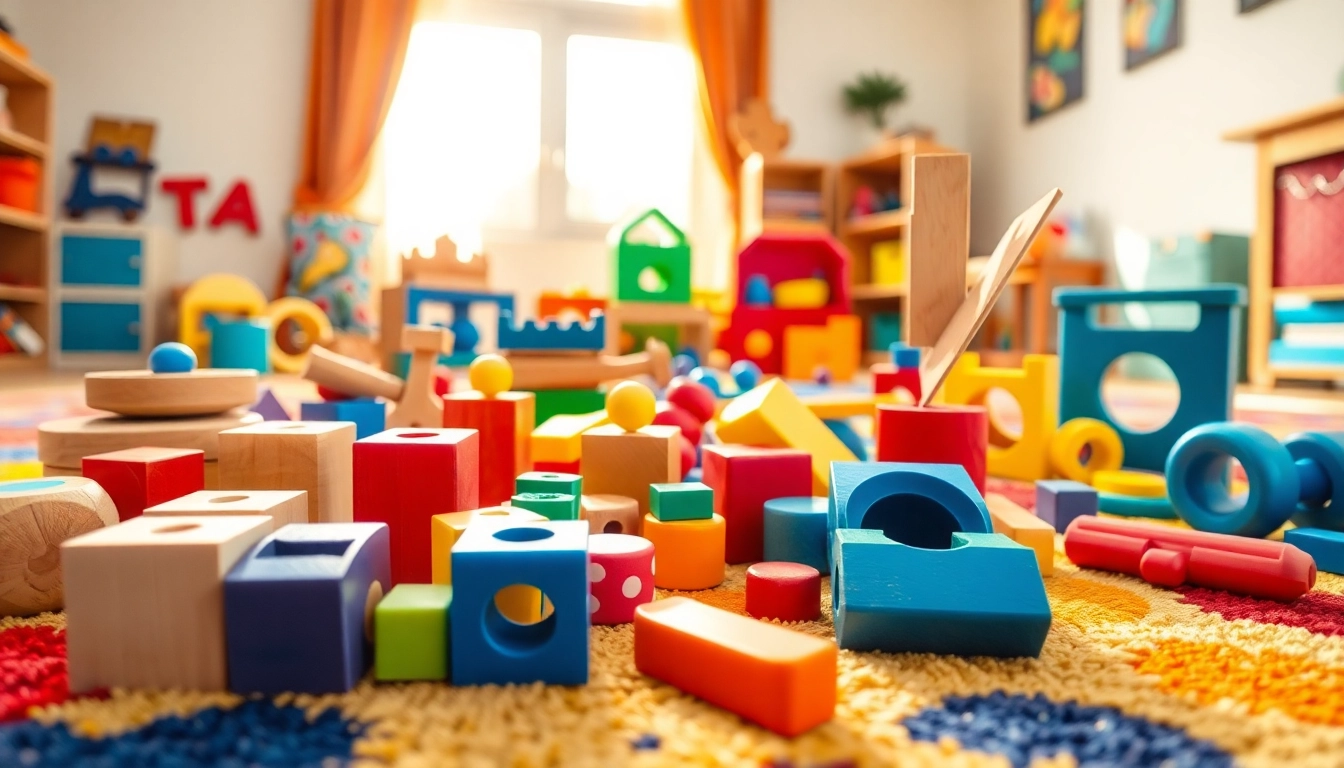
Establishing dedicated play zones can significantly enhance the appeal of screen-free toys. Set up a select area in the home that invites creative play, equipped with easily accessible toys and materials. Cozy corners with cushions, art stations stocked with supplies, or building zones with sturdy surfaces for construction delight children and encourage imagination. These spaces signal to children that it’s time to engage in active, hands-on creativity away from screens.
Scheduling Regular Playtime
Incorporating regular playtime into your family schedule is essential. Just like reading or homework, playtime should be viewed as a vital part of the day. Designate specific times for both alone and group play. Whether it's after school or on weekends, having a set time for toys reinforces their importance and encourages consistent engagement with screen-free activities. Children benefit from the routine and look forward to indulging in imaginative play.
Involving Family in Play
Encouraging family involvement in play not only strengthens bonds but also enriches the experience for children. Engaging together in board games, crafting sessions, or building projects allows parents to guide their children through challenges and celebrate creativity. This connection fosters trust and communication, reinforcing positive relationships and creating shared memories that children cherish.
FAQs About Screen-Free Toys
What are the best materials for screen-free toys?
Wood, fabric, and recycled materials are great choices for screen-free toys. They are durable, safe, and often more stimulating than plastic. Look for non-toxic paints and finishes to ensure safety during play.
How much time should kids spend playing with toys?
Children should ideally enjoy 1-2 hours of free playtime daily, unplugged from screens. This time helps develop their creativity and social skills, with varying durations based on age and individual interest.
What age groups benefit most from these toys?
While all children can benefit from screen-free toys, toddlers and preschoolers particularly thrive, as these toys help them develop essential skills. Older children also benefit through problem-solving and creative play experiences.
Are screen-free toys effective for learning?
Yes, screen-free toys foster significant learning outcomes, enhancing cognitive, motor, and social skills in children. They encourage creativity, critical thinking, and hands-on exploration, which are key aspects of child development.
How to encourage kids to play with screen-free options?
Introduce enticing toys that match their interests, set up engaging play environments, and participate in playtime yourself. Show enthusiasm and variety to keep the engagement fresh and fun for your children.