What is a Genie Boom?
Definition and Functionality
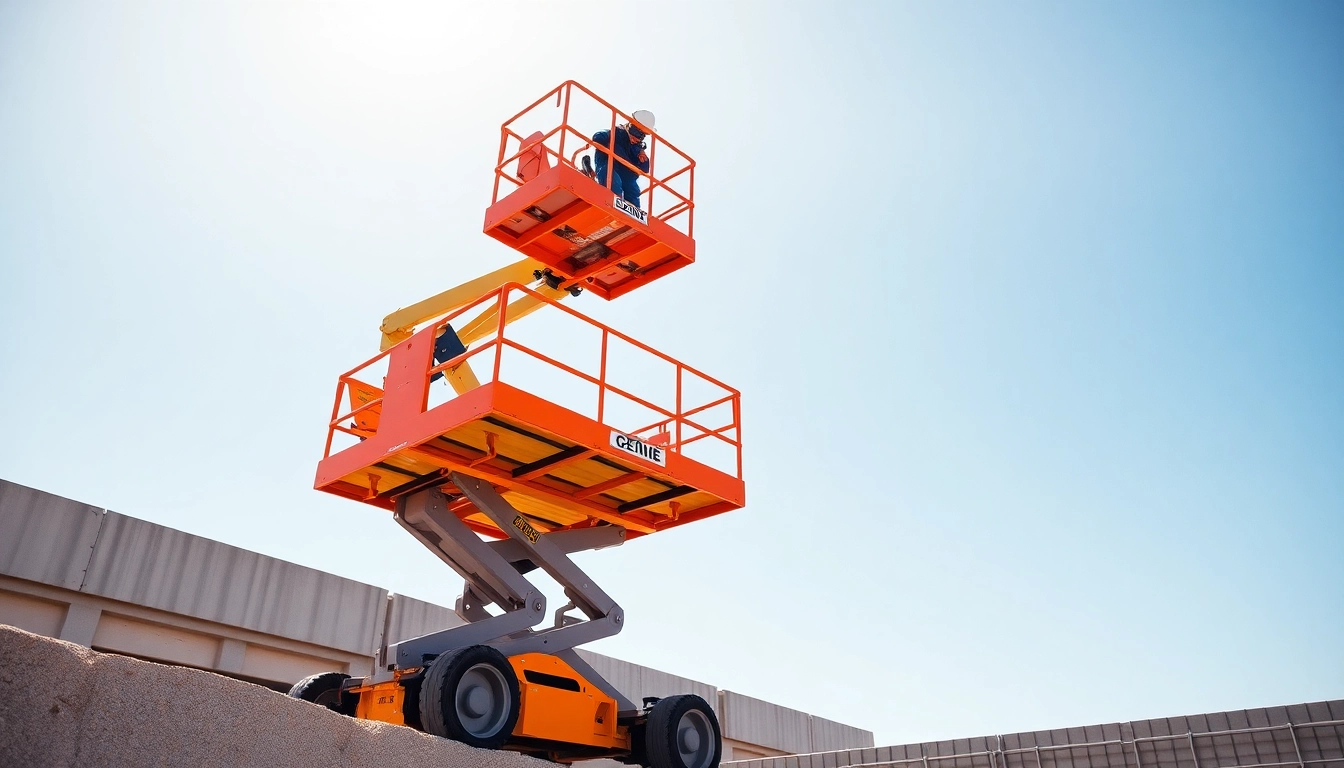
A genie boom is an essential piece of equipment in the aerial lift sector, designed to provide vertical and horizontal lifting capabilities to access high and difficult-to-reach areas. It functions by elevating a platform or personnel up into the air, enabling tasks such as construction, maintenance, and installation to be performed at height safely and efficiently.
The mechanics of a genie boom typically involve a telescoping or articulating arm, allowing for extended reach both vertically and horizontally. This versatility makes it a valuable resource across various industries, ensuring that labor can be conducted safely while maximizing productivity.
Types of Genie Boom Lifts
Genie boom lifts come in a few different types, each tailored to specific operational needs:
- Articulating Boom Lifts: These lifts have multiple joints, providing the ability to reach up and over obstacles, which is particularly useful in tight spaces.
- Telescopic Boom Lifts: Featuring a straight arm that extends outwards, these are perfect for jobs that require maximum reach and height, enabling operators to cover greater distances.
- Trailer-Mounted Boom Lifts: These models are easily transportable, making them ideal for jobs that require mobility across various sites. They provide a good operating envelope while still being portable.
Key Features of Genie Boom
Understanding the primary features of genie boom lifts can help users make informed choices about their applications. Notable features include:
- Operating Envelope: Genie booms are engineered to reach significant heights while providing operators with a wide range of motion.
- Platform Capacity: Different models offer various weight capacities, enabling the lifting of personnel and materials up to 1,000 lbs or more.
- Advanced Safety Systems: Most models come equipped with safety measures such as emergency descent systems, safety harness anchorage, and automatic shutoff features in case of overload.
- Easy Navigation: The design of genie booms allows operators to maneuver in confined spaces, with options for rotating platforms for precise positioning.
Applications of Genie Boom in Various Industries
Construction Industry Applications
The construction industry frequently utilizes genie booms for various tasks, including framing, roofing, and facade work. Their ability to reach extreme heights while safely supporting workers enables contractors to execute complex designs efficiently. Genie boom lifts also facilitate the installation of heavy materials, making them an indispensable component on job sites.
Warehouse and Logistics Uses
In warehouses, genie boom lifts are essential for high-level shelving tasks, inventory management, and repairs. They allow workers to access otherwise unreachable storage areas, enhancing the storage capabilities of logistics providers. Their compact design enables use in tight aisles, optimizing space and productivity.
In Maintenance and Cleaning Services
Maintenance across various sectors, from industrial to commercial, greatly benefits from the deployment of genie booms. They facilitate the cleaning and repair of tall structures, improving efficiency and safety. Whether it’s changing light fixtures, cleaning windows, or conducting inspections, these lifts provide the necessary height and versatility.
How to Choose the Right Genie Boom for Your Needs
Considerations for Weight Capacity
When selecting a genie boom, considering the weight capacity is crucial. Different jobs may require varying weights to be lifted, so it is essential to choose a model that can safely handle the load. Overloading a lift can lead to dangerous situations, hence sticking to the manufacturer's specifications is vital.
Evaluating Reach and Height Specifications
The reach and height specifications of a genie boom should align with the specific tasks required for a job. Measure both the horizontal and vertical distances before making a selection to ensure that the lift can adequately perform its intended functions.
Analyzing Terrain and Environmental Factors
Different models of genie booms are optimized for various terrains. Assessing the job site’s terrain can help determine whether a rough terrain model or a standard unit is necessary. Factors like incline, surface stability, and surrounding obstacles will affect not only the selection of the equipment but also the overall operational safety.
Best Practices for Operating Genie Boom Safely
Pre-Operation Safety Checks
Before operating a genie boom, conducting a thorough pre-operation safety check is imperative. This includes inspecting the lift for any visible damage, checking fluid levels, and ensuring that safety devices are functional. Ensuring the operational area is clear from hazards is also essential to avoiding accidents.
Handling and Maneuvering Techniques
Operators must be trained in the proper handling and maneuvering techniques to maximize safety. Maintaining a clear line of sight and using spotters when navigating difficult sections will help prevent collisions and falls. Operators should also be familiar with the boom's controls and functions before starting work.
Emergency Procedures Overview
Every operator should be knowledgeable about emergency procedures relevant to genie boom operations. This includes understanding how to initiate the emergency down feature, evacuation protocols, and the processes for contacting emergency services if required. Practicing these procedures can significantly enhance safety during operations.
Maintaining Your Genie Boom for Longevity
Regular Maintenance Schedule
Establishing a regular maintenance schedule is vital for the longevity and performance of your genie boom. This should include periodic inspections, minor repairs, and lubrication of moving parts. Adhering to a schedule ensures that the lift remains in optimal working condition and reduces the risk of malfunctions.
Common Issues and Troubleshooting Tips
Common issues with genie boom lifts may include hydraulic leaks, electrical failures, and wear on mechanical components. Addressing these problems promptly is essential. Operators should be trained in troubleshooting techniques to identify basic issues and perform simple repairs when possible to minimize downtime.
When to Seek Professional Maintenance Services
While many minor issues can be resolved in-house, some situations require professional maintenance services. If a genie boom displays significant mechanical failure or if there are complicated electrical issues, consulting qualified technicians is advisable. Professional help not only ensures that repairs meet safety standards but also prolongs the equipment's overall lifespan.
Frequently Asked Questions
What is a Genie Boom Lift?
A genie boom lift is an aerial lift that provides vertical and horizontal access, ideal for tasks requiring elevation and outreach for construction, maintenance, or cleaning work.
How much weight can a Genie Boom lift hold?
Most genie booms have a platform capacity that ranges typically between 660 lbs to 1,000 lbs, depending on the model and specifications.
What are the benefits of using a Genie Boom over a scissor lift?
Genie booms offer greater horizontal outreach and flexibility, which is essential for reaching over obstacles and navigating complex job sites, unlike scissor lifts that primarily provide vertical lift.
How often should I perform maintenance on my Genie Boom?
Regular maintenance should occur at least every six months, or as recommended by the manufacturer’s manual, and should include inspections and servicing of critical components.
Can I use a Genie Boom on rough terrain?
Yes, some genie boom models are designed specifically for rough terrain and can navigate uneven surfaces, making them suitable for outdoor construction sites.