Understanding Commercial Construction in Denver, Colorado
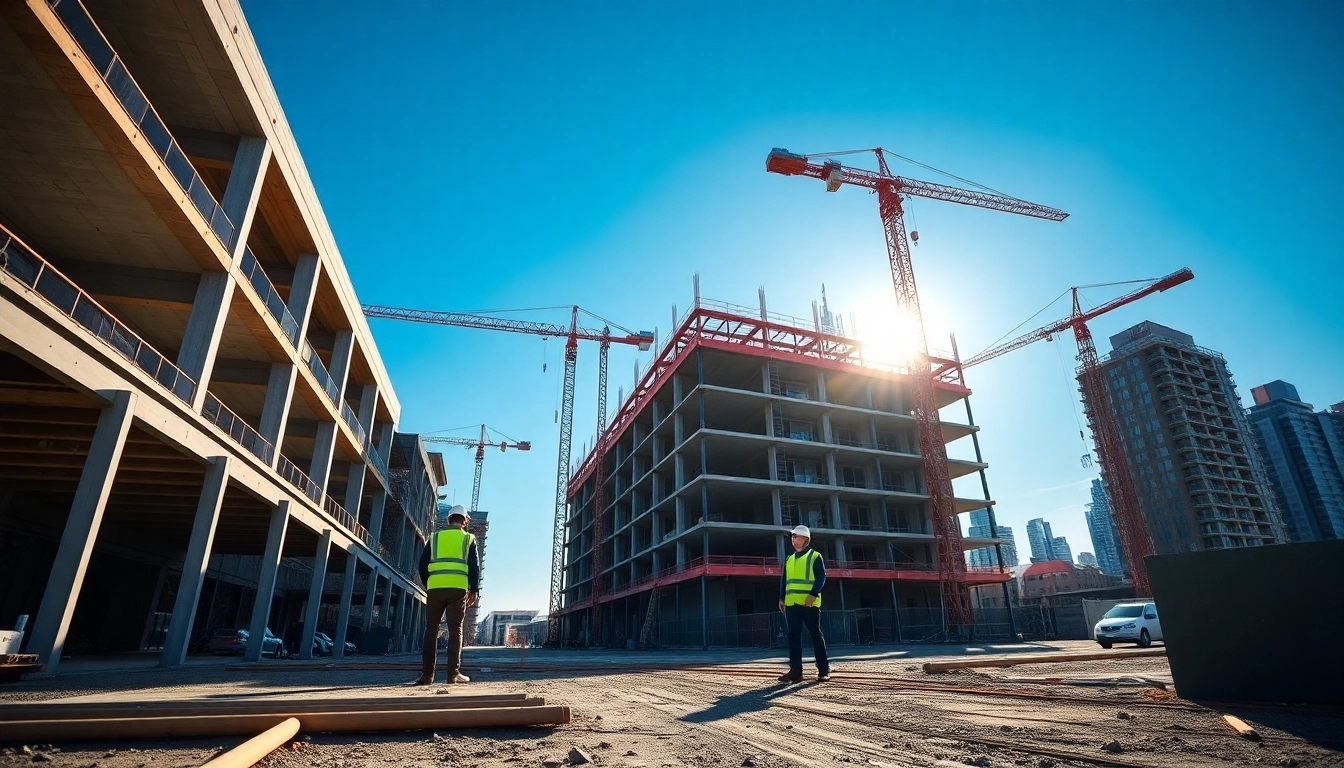
Commercial construction plays a vital role in the economic fabric of cities, and Denver, Colorado is no exception. With its booming economy and ever-expanding skyline, businesses and investors are increasingly focusing on commercial construction denver colorado. This article explores the nuances of commercial construction in this vibrant city, providing readers with insights into the industry landscape, key players, and essential considerations for successful project execution.
What is Commercial Construction?
Commercial construction refers to the process of building or renovating structures intended for business use. Unlike residential construction, which focuses on homes and living spaces, commercial construction encompasses a wide array of tasks related to offices, retail stores, warehouses, and more. This specialization means that contractors, architects, and developers involved in commercial construction need specific knowledge about zoning laws, safety regulations, and financing options.
Key Characteristics of Commercial Construction Denver Colorado
Commercial construction projects in Denver are characterized by several distinctive features:
- Regulatory Compliance: Denver has stringent building codes and zoning regulations that must be adhered to, making it essential for contractors to be well-versed in these laws.
- Complex Infrastructure: Many commercial buildings, especially multi-use developments, require intricate planning and coordination, involving various stakeholders.
- Focus on Sustainability: With increasing awareness around sustainable practices, many commercial projects in Denver emphasize eco-friendly materials and energy-efficient systems.
- Economic Trends Influence: The local economy greatly influences construction types, with demand for retail spaces, office buildings, and industrial facilities shifting based on market needs.
Importance of Local Regulations
Adhering to local regulations is critical in commercial construction. In Denver, these regulations dictate everything from environmental impacts to safety measures and building materials used. Understanding local zoning laws can also affect project timelines and costs significantly. Contractors must work closely with local authorities and possibly engage in public consultations to ensure compliance and avoid costly delays.
Choosing the Right Commercial Contractor
Choosing the right contractor can make or break a commercial construction project. As such, diligence in selecting a contractor who aligns with your project needs is crucial. Here are some key factors to consider:
Qualities to Look for in a Contractor
When evaluating potential contractors, consider the following qualities:
- Experience: Look for contractors with experience in similar types of construction projects in Denver. Their familiarity with the local market and regulations will likely lead to smoother project execution.
- Reputation: Research contractor reviews, testimonials, and previous project portfolios. A reputable contractor is typically reliable and delivers quality work.
- Communication Skills: A contractor should maintain clear and open communication throughout the project. This minimizes misunderstandings and fosters a collaborative environment.
Evaluating Experience and Expertise
Examine the past projects managed by potential contractors. Consider their scope, scale, and complexity. Understanding their expertise in adapting to various project demands and overcoming challenges can be instrumental in determining their suitability for your specific needs.
Comparing Pricing Models and Services Offered
Contractors may offer various pricing models, including fixed prices, cost-plus contracts, or time and materials agreements. It’s beneficial to compare these models to decipher what fits best with your budget and project comprehensiveness. Additionally, look for contractors that offer a full suite of services—from project planning and design to construction management and post-construction support.
Planning Your Commercial Construction Project
Effective planning is paramount to a successful commercial construction project. There are vital steps that one must take before breaking ground.
Essential Steps in Project Planning
Systematic planning involves several steps:
- Define Objectives: Clearly outline what you want to achieve with the project, setting measurable goals that can guide the construction process.
- Conduct Site Analysis: Assess potential locations for viability, considering factors such as zoning, infrastructure, and accessibility.
- Engage Stakeholders: Involve all relevant parties including investors, community members, and contractors early in the planning stage to gather input and advice.
- Create a Detailed Project Plan: A comprehensive plan should include timelines, budgets, and responsibilities of all parties involved.
Budgeting for Commercial Construction Denver Colorado
Accurate budgeting is essential to prevent overages and ensure the project remains financially viable. Consider the following aspects when setting your budget:
- Construction Costs: Estimate materials, labor, permits, and other associated construction expenses.
- Contingency Funds: Reserve a portion of the budget for unexpected costs that arise during construction.
- Financing Options: Explore various financing options to determine the best fit for funding your project.
Timeline Estimation and Management Strategies
Project management requires effective timeline estimation and management to keep everything on schedule. Strategies include:
- Critical Path Method: Utilize this project management technique to identify essential tasks that affect project completion time.
- Regular Progress Review: Conduct frequent check-ins with stakeholders and contractors to monitor progress and adjust plans as needed.
- Buffering: Include buffer time in your schedule to accommodate minor setbacks, ensuring that timelines remain flexible and realistic.
Challenges in Commercial Construction
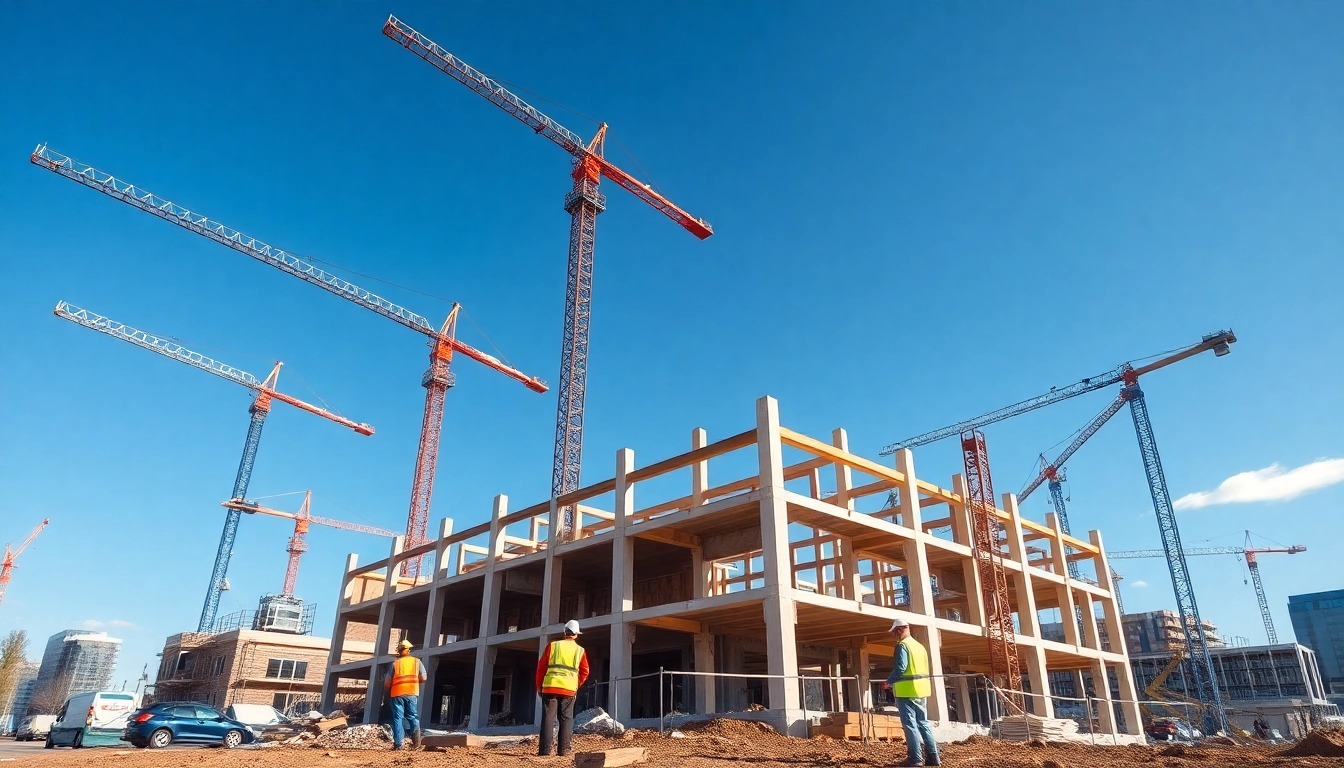
Like any industry, commercial construction comes with its fair share of challenges. Recognizing these early can significantly aid in developing effective mitigation strategies.
Common Obstacles to Expect
Common challenges in commercial construction projects include:
- Regulatory Delays: Compliance with local regulations can often lead to unexpected delays.
- Coordination Complexity: Managing multiple contractors and subcontractors can lead to miscommunication and scheduling conflicts.
- Resource Availability: Shortages in materials or labor can impact project progress and budget.
Mitigation Strategies for Delays
To effectively manage delays, consider the following approaches:
- Proactive Communication: Maintain open lines of communication with all parties involved to address issues as they arise.
- Strategic Planning: Plan for potential setbacks by creating contingencies that can be activated as necessary.
- Prioritize Tasks: Identify critical tasks that must be completed on time and ensure resources are allocated efficiently to these areas.
Managing Client Expectations Effectively
Clear expectations between clients and contractors reduce the likelihood of issues arising later. Regular updates and transparent discussions about progress, setbacks, and changes in plans can foster a positive relationship and enhance client satisfaction.
Future Trends in Commercial Construction Denver Colorado
The commercial construction industry is evolving rapidly due to advancements in technology, changing consumer preferences, and increasing attention on sustainability. Here are several trends currently shaping the industry in Denver:
Emphasizing Sustainability in Building Practices
With a growing focus on environmental responsibility, many construction companies are adopting sustainable practices. This includes using eco-friendly materials, optimizing energy efficiency, and implementing waste reduction strategies. Future developments are likely to see even more emphasis on sustainability as regulations and consumer expectations evolve.
Technology Innovations in Construction
The integration of technology into commercial construction has transformed how projects are managed and executed. Innovations such as Building Information Modeling (BIM), drones for site surveys, and virtual reality for design visualization are gaining traction. These technologies enhance precision, improve collaboration, and reduce costs throughout the lifecycle of a project.
Impact of Economic Trends on the Construction Market
Economic factors, including changes in interest rates, material costs, and labor availability, continuously impact the commercial construction landscape. Understanding broader economic trends can help stakeholders anticipate market shifts, ensuring that their strategic planning and investment decisions match the evolving economic climate.
Frequently Asked Questions
What is the typical duration of a commercial construction project?
The duration of a commercial construction project can vary greatly, typically ranging from a few months to several years depending on the project's size, complexity, and various external factors.
How important is sustainability in commercial construction?
Sustainability is becoming increasingly important in commercial construction, with organizations prioritizing eco-friendly materials and energy-efficient designs to meet regulatory standards and consumer demand.
What factors affect the cost of a commercial construction project?
Factors include location, project scope, material prices, labor costs, and project-specific requirements such as permits and zoning regulations.
How can I ensure the success of my commercial construction project?
To ensure project success, engage a reputable contractor, develop a detailed project plan, maintain clear communication with stakeholders, and budget effectively for unexpected costs.
What are the benefits of hiring an experienced commercial contractor?
An experienced contractor brings valuable knowledge about local regulations, efficient project management, and proven solutions to common construction challenges, greatly enhancing project success.