What is Hauling and Its Importance?
Definition of Hauling
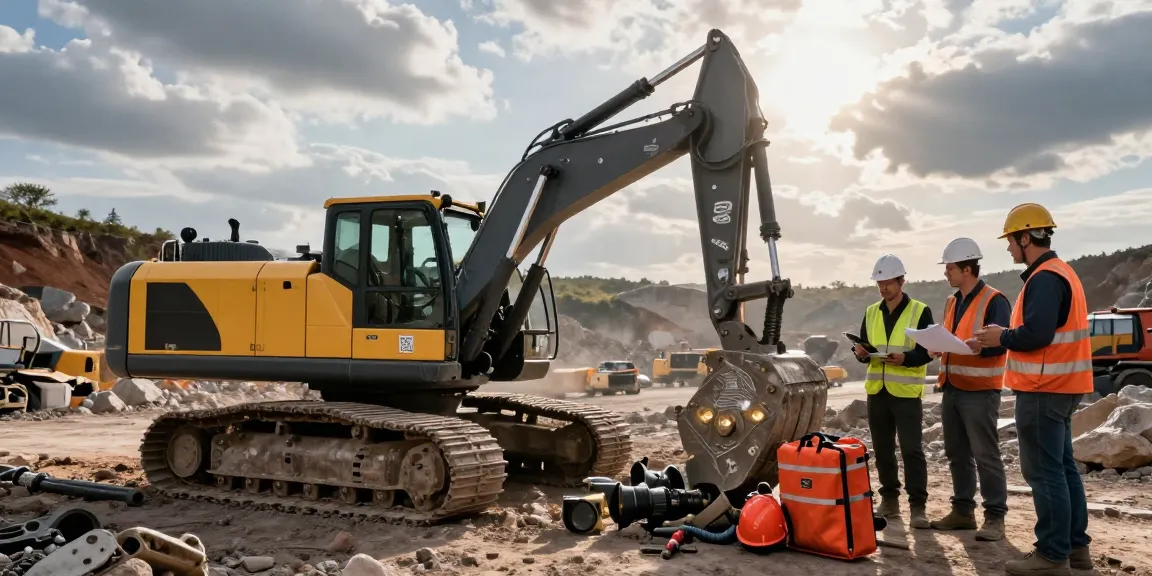
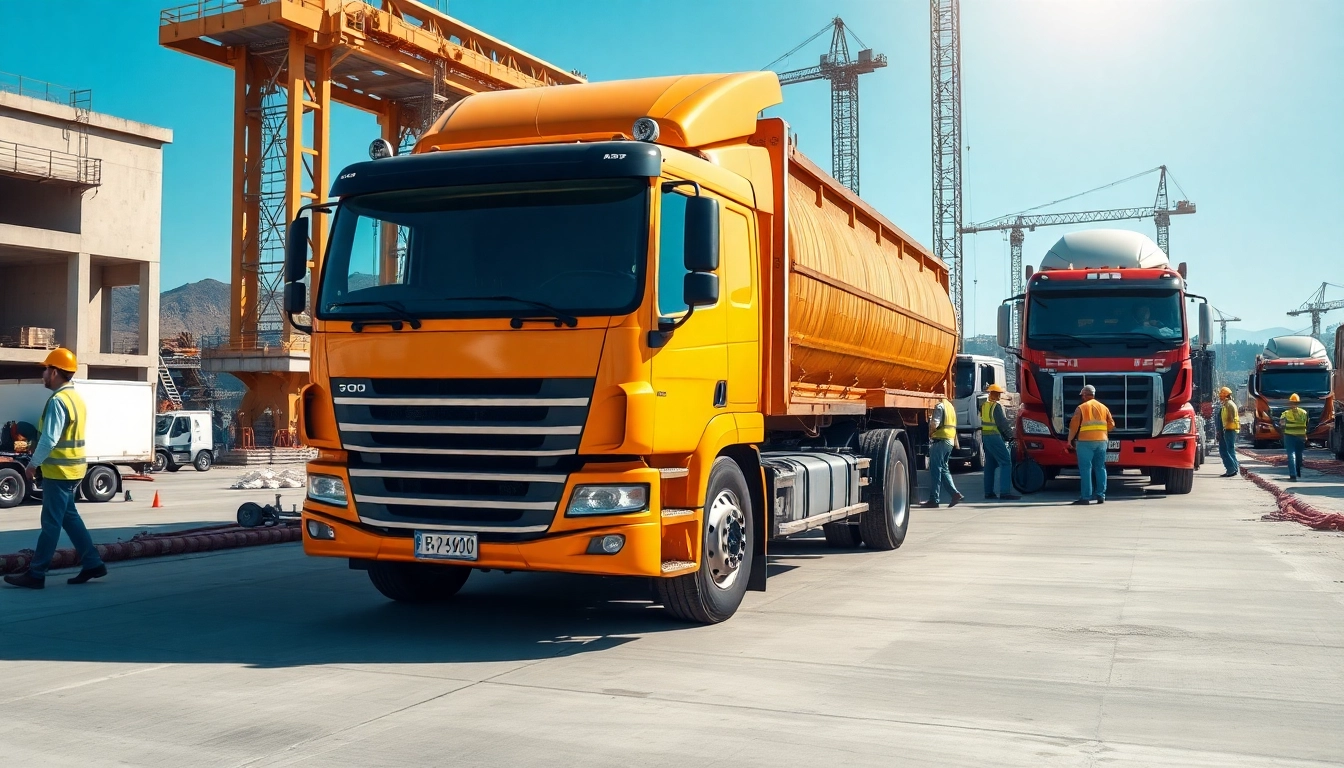
Hauling refers to the process of transporting goods or materials from one location to another, often involving heavy loads that require specialized vehicles or equipment. This activity is crucial in various sectors, affecting the overall efficiency of supply chain management. Whether it’s moving equipment for construction, transporting goods for retail, or disposing of debris from commercial sites, hauling plays an indispensable role.
Key Functions of Hauling
Hauling serves multiple key functions across different industries:
- Logistics Optimization: Efficient hauling directly impacts the speed and efficiency of logistics operations, allowing businesses to meet deadlines and reduce operational costs.
- Waste Management: In many urban and industrial environments, hauling services are essential for transporting waste materials to disposal facilities or recycling centers.
- Resource Distribution: Companies depend on hauling for the timely delivery of raw materials and finished goods, which is critical for sustaining production flows in manufacturing and construction.
Industries That Rely on Hauling
Most industries rely on hauling, including:
- Construction: Heavy machinery and materials like concrete and steel are continually moved to construction sites.
- Retail: Goods are transported from warehouses to retail locations, necessitating efficient hauling practices.
- Agriculture: Transporting produce from farms to markets, often requiring specialized vehicles to handle perishable goods.
Types of Hauling Services
Residential Hauling Services
Residential hauling services involve transporting items for homeowners, including junk removal, appliance hauling, and moving services. These services are tailored to help residents declutter their homes, facilitating easier transitions during moves or clearances.
Commercial Hauling Services
Commercial hauling includes transporting goods for businesses. This may encompass freight shipping, equipment transportation, and bulk material disposal. It is vital for maintaining day-to-day operations, ensuring products reach consumers and businesses sustain their supply chains.
Construction Hauling Services
Construction hauling services specialize in transporting heavy equipment and materials to job sites. These services include the movement of dirt, concrete, and construction debris. Often, contractors require specialized hauling services to navigate local regulations and manage large loads safely.
Best Practices for Efficient Hauling
Planning Your Hauling Project
Effective planning is crucial for streamlining hauling operations. Key components include assessing load types, understanding routes, and scheduling transport during off-peak hours to avoid traffic delays. An effective plan can reduce time and costs.
Choosing the Right Equipment for Hauling
Selecting appropriate vehicles and tools for hauling is critical. The choice depends on the nature of the load. For instance, flatbed trucks are ideal for heavy machinery, while enclosed trucks are better for sensitive freight. Consider load capacities and accessibility when choosing equipment.
Safety Guidelines for Hauling Operations
Safety should always be a priority in hauling. Essential guidelines include:
- Regular inspections: Ensure that vehicles are in good condition and comply with safety regulations.
- Proper loading: Distribute weight evenly to prevent tipping and minimize strain on vehicles.
- Driver training: Ensure drivers are well trained in handling heavy loads and understanding road regulations.
Common Challenges in Hauling
Overcoming Traffic Regulations
Haulers often face restrictions related to truck sizes and weight limits. Understanding local traffic regulations can help businesses comply and avoid legal penalties. Working closely with local authorities can facilitate smoother operations.
Managing Heavy Loads
Handling heavy loads effectively is paramount. This includes selecting the right vehicle and employing proper techniques for loading and unloading. Using tools such as forklifts and hoists can reduce manual labor and improve safety.
Dealing with Weather Conditions
Weather significantly affects hauling efficiency. During poor weather—be it rain, snow, or storms—safety becomes even more important. Planning routes that avoid hazardous conditions and keeping up-to-date with weather forecasts can help mitigate risks.
Future of Hauling Services
Technological Advances in Hauling
The future of hauling is being shaped by technological advancements. Innovations such as GPS tracking and automated routing systems enhance efficiency and transparency. Additionally, the integration of real-time data analytics enables businesses to optimize routes and manage costs better.
Eco-friendly Hauling Solutions
As sustainability becomes a priority, eco-friendly hauling solutions are emerging. Businesses are increasingly adopting electric vehicles and sustainable practices to reduce their carbon footprint. Companies can also explore alternative fuels and optimize loads to minimize environmental impact.
The Rise of On-demand Hauling Services
On-demand hauling services are gaining traction, driven by consumer convenience and technological capabilities. Customers can book hauling services via apps, with real-time tracking and transparent pricing. This trend meets modern consumer demands for flexibility and immediacy.
FAQs About Hauling
What does hauling mean?
Hauling refers to the transportation of goods or materials, often involving considerable weight or bulk, typically by trucks or specialized vehicles.
What types of businesses rely on hauling?
Various sectors use hauling services, including construction, retail, agriculture, and waste management, ensuring the transport of essential goods and materials.
Are there safety regulations for hauling?
Yes, safety regulations for hauling involve vehicle inspections, load securing, weight limits, and adherence to local traffic laws to ensure the safety of drivers and the public.
What equipment is commonly used for hauling?
Common hauling equipment includes flatbed trucks, semi-trucks, dump trucks, and specialized vehicles that suit specific types of cargo or operational requirements.
How can technology improve hauling?
Technological solutions like GPS tracking and automated systems enhance route planning, increase efficiency, and provide real-time data, which aid in optimizing hauling operations.
Contact Information
Call Us: 4062607988Address: 3906 MT-40, Columbia Falls, MT 59912