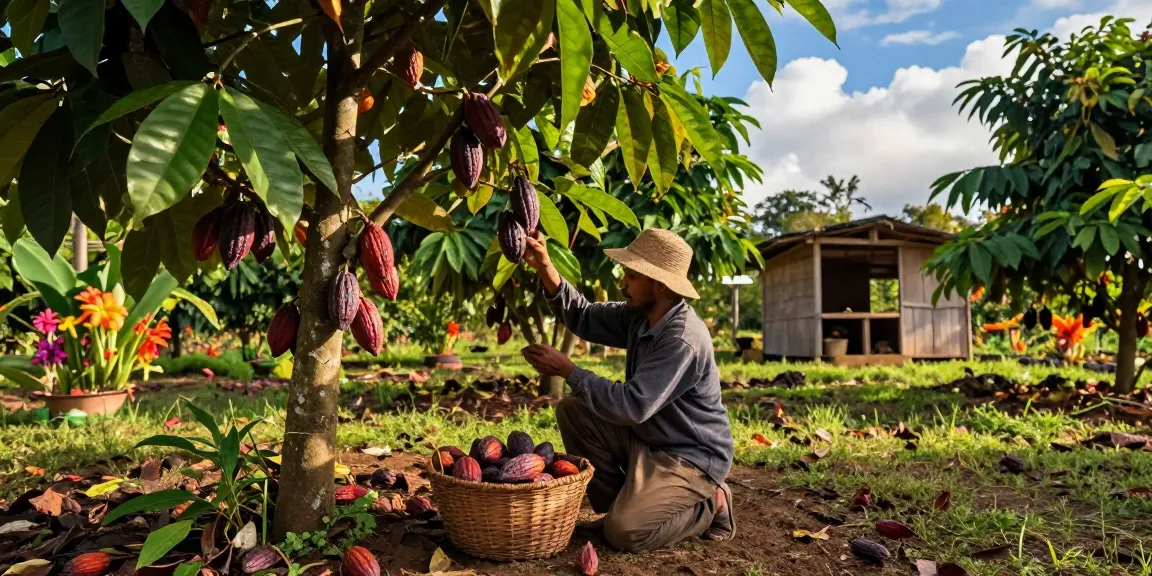
Understanding Cacao Farming and Its Importance
Cacao farming is a vital agricultural practice that not only sustains the livelihoods of millions globally but also contributes significantly to the economy of many tropical countries. Cacao is the essential ingredient in chocolate production, and its cultivation has deep historical and cultural roots. As the global demand for chocolate continues to rise, understanding cacao farming's intricate dynamics and sustainable practices is essential for both producers and consumers alike. When exploring options, m98 provides comprehensive insights into effective cacao farming techniques.
What is Cacao Farming?
Cacao farming involves the cultivation of cacao trees (Theobroma cacao) for their seeds, which are processed into cocoa products used in food, cosmetics, and pharmaceuticals. These trees thrive in humid, tropical climates and require specific growing conditions, such as proper shade, moisture, and disease prevention measures.
History of Cacao Cultivation
The history of cacao is as rich as the chocolate it produces. Native to Central and South America, cacao was first cultivated by the Olmecs around 1500 BC. The Mayans and Aztecs later revered cacao, using it as currency and in sacred rituals. With the arrival of Europeans in the 16th century, cacao spread to other parts of the world, paving the way for the modern chocolate industry. Today, leading cacao-producing countries include Ivory Coast, Ghana, and Indonesia, which grow the crop for both local consumption and international exports.
Economic Impact of Cacao Farming
Globally, the cacao industry is worth billions of dollars, providing significant revenue for producing nations. In regions where cacao is cultivated, it offers employment to millions of farmers and their families, serving as a primary source of income. Sustainable cacao farming practices can further enhance economic stability by ensuring stable production, improving soil health, and reducing reliance on chemical inputs, which can be financially burdening.
Key Features of Sustainable Cacao Practices
Sustainable cacao farming is crucial not only for the environment but also for ensuring the long-term viability of cacao production. By implementing sustainable practices, farmers can increase yield while minimizing their ecological footprint. Understanding these key features helps farmers adopt methods that promote both economic and environmental health.
Organic Farming Techniques in Cacao
Organic cacao farming focuses on using natural methods to grow cacao plants without synthetic fertilizers or pesticides. This practice promotes biodiversity, improves soil health, and reduces chemical runoff into the surrounding environment. Techniques include crop rotation, agroforestry, and using natural pest repellents derived from plants. These methods not only enhance cacao quality but also appeal to a growing market of environmentally-conscious consumers.
Environmental Benefits of Sustainable Practices
Adopting sustainable cacao farming practices yields significant environmental benefits. These include:
- Biodiversity Conservation: Sustainable farms often integrate various crops, which helps maintain local flora and fauna.
- Soil Improvement: Organic practices enhance soil structure and fertility through natural amendments.
- Water Conservation: Sustainable farming reduces dependency on irrigation, preserving local water resources.
Cost-Benefit Analysis of Sustainable Cacao
While transitioning to sustainable practices may require an initial investment, the long-term benefits often outweigh the costs. Sustainable cacao farmers may see:
- Higher Market Prices: Organic and sustainably-sourced cacao often commands higher prices.
- Increased Resilience: Sustainable systems may be more resilient to pests and climate fluctuations, reducing potential losses.
- Improved Soil Health: Healthier soils can lead to higher yields over time, offsetting initial costs.
Challenges Faced by Cacao Farmers
Despite the benefits of cacao farming, farmers face numerous challenges that can impact their productivity and livelihoods. Understanding these obstacles is critical for developing effective solutions.
Pest Management in Cacao Farming
Pest and disease pressure poses a significant threat to cacao crops. Common pests include the cacao pod borer and mirids, which can devastate harvests. Farmers must integrate pest management strategies that are both effective and sustainable to protect their yields without relying heavily on chemical pesticides.
Market Fluctuations and Financial Risks
Cacao prices are notoriously volatile, influenced by global demand, weather patterns, and geopolitical factors. Farmers often struggle with unpredictable income, making financial stability challenging. Strategies such as cooperative farming and diversifying crops can help mitigate these risks and provide a buffer against market fluctuations.
Climate Change Impact on Cacao Crops
Climate change poses a serious threat to cacao farming due to increasing temperatures, altered rainfall patterns, and extreme weather events. Farmers must adapt to these changes by investing in climate-resilient varieties of cacao and implementing water conservation measures. Collaborative efforts and research into sustainable practices can help build resilience in cacao-producing regions.
Innovative Technologies in Cacao Farming
The integration of technology in cacao farming is transforming traditional practices, making it easier for farmers to monitor crops, manage resources, and enhance productivity. As the industry continues to evolve, understanding these technologies is essential.
Precision Agriculture for Cacao Production
Precision agriculture utilizes technology such as GPS, sensors, and drones to optimize farming practices. This approach allows farmers to gather data on soil health, moisture levels, and pest populations, enabling them to make informed decisions about irrigation and fertilization. By applying resources more efficiently, farmers can increase yield while decreasing waste.
Use of Data Analytics in Crop Management
Data analytics plays a crucial role in informing farmers about trends and patterns in cacao farming. By collecting and analyzing data on weather, soil conditions, and market dynamics, farmers can anticipate challenges and opportunities. Tools like mobile apps and software solutions can assist in tracking crop progress and managing resources effectively.
Future Trends in Cacao Farming Technologies
The future of cacao farming is likely to involve further technological advancements such as:
- Blockchain for Transparency: Blockchain technology can be utilized to ensure traceability in the supply chain, enhancing consumer trust.
- Genetic Engineering: Advances in genetic research may lead to the development of cacao varieties that are more resistant to diseases and climate fluctuations.
- Automated Systems: Robotics and automation could streamline harvesting and processing, reducing labor costs and improving efficiency.
Resources for Aspiring Cacao Farmers
For those looking to enter the cacao farming industry, numerous resources available can provide guidance, support, and funding opportunities.
Best Practices and Guides for New Farmers
New cacao farmers should begin by educating themselves about sustainable cultivation methods, pest management, and market access strategies. Various agricultural extension services and online platforms offer valuable information and practical guides tailored to the cacao industry.
Funding Opportunities for Sustainable Farming
There are numerous grants, loans, and investment programs focused on supporting sustainable agriculture initiatives. Aspiring cacao farmers can explore opportunities through government programs, non-profits, and private investors interested in promoting environmentally friendly practices.
Networking and Support Groups in Cacao Industry
Connecting with other farmers, industry experts, and organizations can provide invaluable support. Participating in cacao farming cooperatives or attending industry conferences can facilitate knowledge sharing and collaboration, ultimately leading to more successful farming practices.
What are the environmental impacts of cacao farming?
Cacao farming can lead to deforestation, soil degradation, and biodiversity loss when not managed sustainably. However, through sustainable practices, farmers can mitigate these impacts and promote healthier ecosystems.
How can I start a sustainable cacao farm?
Starting a sustainable cacao farm requires careful planning, knowledge of organic farming techniques, and access to resources such as quality seedlings and market information. Engaging with agricultural experts and existing farmers can aid in navigating the initial stages of farming.
What technologies are used in modern cacao farming?
Modern cacao farming employs technologies such as precision agriculture, data analytics, and automated systems to enhance productivity and sustainability. These innovations help farmers monitor their crops more effectively and make informed decisions.
What are the economic benefits of sustainable cacao farming?
Sustainable cacao farming can lead to increased revenue through higher market prices for organic products, reduced costs associated with chemical inputs, and enhanced resilience to climate impacts.
What challenges do cacao farmers face today?
Cacao farmers face a range of challenges including pest management, market price volatility, and the adverse effects of climate change. Addressing these issues is critical to ensuring a stable and sustainable cacao industry.