Understanding Bar Culture and Its Evolution
History of the Bar
The concept of the bar as a social gathering place has been embedded in human culture for centuries. Originating from ancient taverns where weary travelers would find solace, the bar has evolved significantly through the ages. In medieval times, establishments known as 'inns' served not only food and drink but provided shelter for the night. As society progressed, these establishments transitioned, reflecting the shifting social dynamics and leisure activities of communities.
Bar Types: From Traditional to Modern
Bars have diversified into numerous types, reflecting varied tastes and societal shifts. Traditional pubs are heralded for their warm, community-centric vibes, often serving local beers and wines. Conversely, modern bars have embraced eclectic designs, cutting-edge cuisine, and innovative drinks. This diversity ensures that regardless of preference or purpose, people can find a bar that suits their needs.
Importance of Social Interaction in Bars
Social interaction is a cornerstone of the bar experience. Bars offer a unique space where people can engage with one another, share stories, and form connections. This intrinsic element fosters community and camaraderie, making bars not just places to drink but essential social hubs. Studies have shown that environments that encourage interaction can significantly enhance mental well-being and create lasting friendships.
Creating an Inviting Bar Atmosphere
Essential Elements of Bar Design
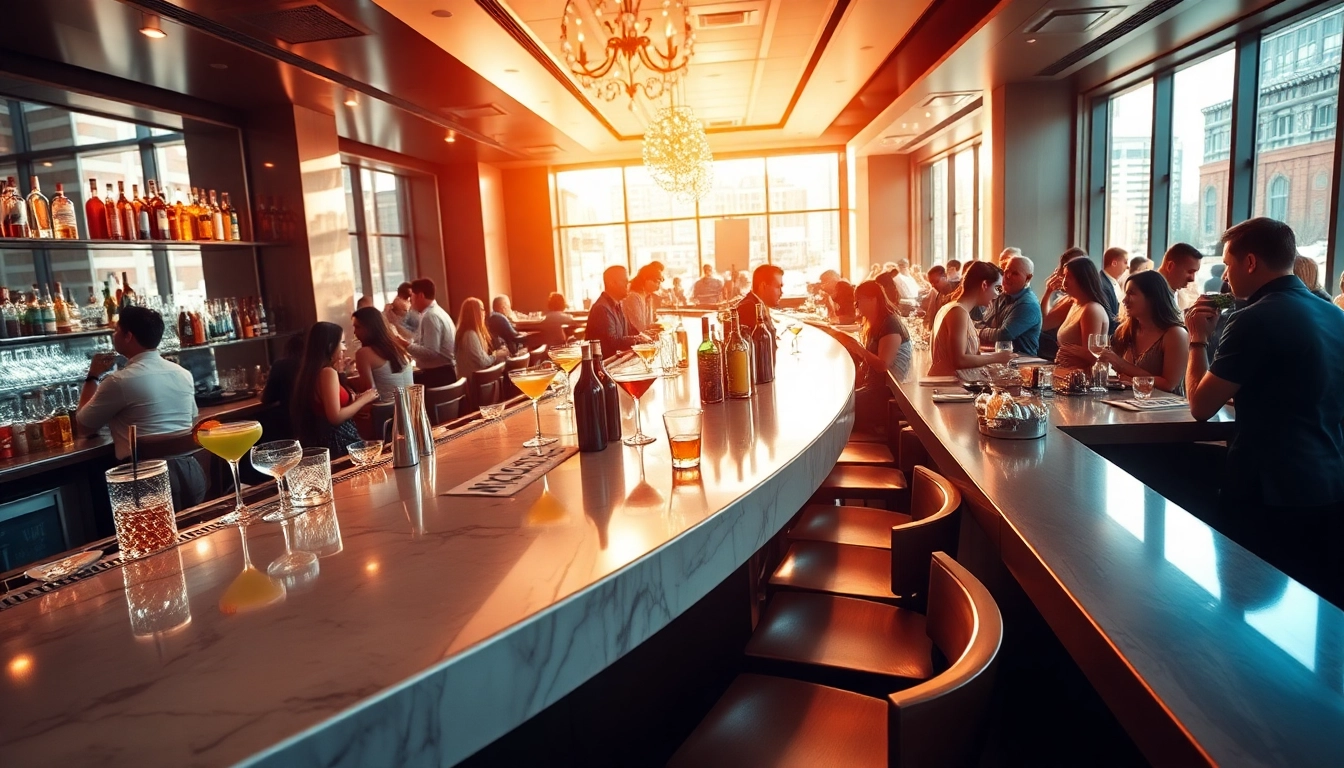
The design of a bar plays a crucial role in setting the atmosphere and guiding patron experiences. Key elements include seating arrangements that promote social interaction, strategically placed bars that encourage movement, and decor that reflects the theme of the establishment. Incorporating comfortable seating and a well-organized layout can enhance both flow and comfort, giving patrons a welcoming space to relax.
Choosing the Right Lighting and Ambiance
Lighting is critical in determining a bar's ambiance. Soft, warm lighting can create an intimate atmosphere, inviting patrons to linger longer. In contrast, bright lights can energize the space, attracting a lively crowd. Balancing lighting with music and decor is essential for crafting a unique experience. Different times of day may require different lighting schemes, ensuring versatility in the atmosphere throughout operational hours.
Curating Your Drink Menu Effectively
A well-thought-out drink menu is essential for any bar aiming to attract and satisfy patrons. Choices should reflect seasonal ingredients, signature cocktails, and local specialties. Including a range of options from non-alcoholic beverages to high-end spirits ensures that all guests feel catered for. Regularly updating the menu, based on trends and customer feedback, can keep the offerings fresh and exciting, encouraging repeat visits.
The Role of Bartenders in Enhancing Guest Experience
Skills and Qualities of an Excellent Bartender
Bartenders are often considered the heart of the bar. Excellent bartenders possess a blend of technical skills, such as mixology, and soft skills like communication and empathy. They must be attentive, observant, and quick-thinking, balancing the art of cocktail making with customer engagement. Continuous training and education can ensure bartenders remain skilled and knowledgeable about industry trends and emerging cocktail recipes.
Building Rapport with Patrons
Building genuine relationships with patrons can elevate the bar experience considerably. A great bartender will take the time to remember names, preferences, and even personal anecdotes shared by guests. This sense of familiarity transforms a routine visit into a more personalized experience, leading to customer loyalty and positive word-of-mouth that can bring new patrons through the door.
Offering Unique Cocktail Experiences
Providing unique cocktail experiences can set a bar apart from others. This can include crafting custom cocktails based on patrons' tastes, offering experiential tastings, or organizing mixology classes. Such initiatives not only engage customers but also create memorable experiences that they will talk about long after leaving the bar.
Exploring Popular Bar Trends
Craft Cocktails and Mixology
The craft cocktail movement has taken the bar scene by storm, focusing on high-quality ingredients, intricate techniques, and creativity in presentations. Mixology is more than just mixing drinks; it emphasizes the art and science behind creating balanced, flavorful beverages. Bars that embrace this trend often provide patrons with exciting new tastes and experiences, making them destinations for cocktail enthusiasts.
Bar Pop-Ups and Themed Events
Bar pop-ups and themed events have gained popularity as ways to draw in crowds and create buzz. These temporary concepts allow bars to experiment with new ideas, concepts, and collaborations. By offering unique themes or limited-time menus, bars can leverage social media and word-of-mouth to attract a new clientele and keep regulars engaged with fresh experiences.
Environmental Sustainability in Bar Practices
In an era increasingly focused on sustainability, many bars are adopting eco-friendly practices. This includes sourcing local ingredients, reducing waste through recycling and upcycling, and opting for sustainable packaging. By prioritizing eco-conscious choices, bars not only contribute to environmental protection but also appeal to a growing demographic that values sustainability in their consumer choices.
Measuring Success and Guest Satisfaction
Key Performance Indicators for Bars
Successful operations rely heavily on performance metrics to gauge success. Key Performance Indicators (KPIs) for bars might include sales per labor hour, average transaction value, and customer retention rates. Monitoring these metrics provides valuable insights into operational efficiency, helping bar managers make informed decisions that enhance profitability while fostering guest satisfaction.
Collecting Guest Feedback
Collecting guest feedback is crucial for ongoing improvement. Tools such as surveys, suggestion boxes, or digital feedback forms allow patrons to voice their opinions on various aspects of the bar experience. Analyzing this feedback can highlight areas for improvement, helping to align services with customer expectations, ultimately enhancing overall satisfaction.
Strategies for Continuous Improvement
Continuous improvement strategies drive success in the bar industry. Regular staff training, performance evaluations, and customer feedback loops can help identify strengths and areas for growth. Additionally, benchmarking against industry standards and local competitors helps ensure that bar practices remain relevant and competitive, constantly evolving to meet consumer demands.
Frequently Asked Questions
What defines a great bar experience?
A great bar experience is defined by excellent service, a welcoming atmosphere, unique drink offerings, and the opportunity for social interaction.
How do I choose the right bar type for an event?
Consider the event's size, theme, and guest preferences. Traditional pubs lend a casual vibe, while modern bars often offer creative cocktail options and unique environments.
What are the benefits of offering craft cocktails?
Offering craft cocktails can enhance customer experiences, increase sales margins, and differentiate your bar in a competitive market, drawing in cocktail enthusiasts.
How often should a bar update its drink menu?
A bar should update its drink menu seasonally or in response to customer feedback and trends, keeping offerings fresh and engaging for patrons.
What role does ambiance play in bar success?
Ambiance critically influences guest comfort and enjoyment, impacting their willingness to return. Thoughtful design, lighting, and music can enhance overall experiences.
For anyone looking to delve deeper into the vibrant world of bars, understanding these factors is crucial. Explore the uniqueness of the Bar culture and find an experience suited to your preferences.
Contact Information
Call Us: +1 615-624-7821Email: [email protected]Address: 1276 Northwest Broad Street, Murfreesboro, TN, USA