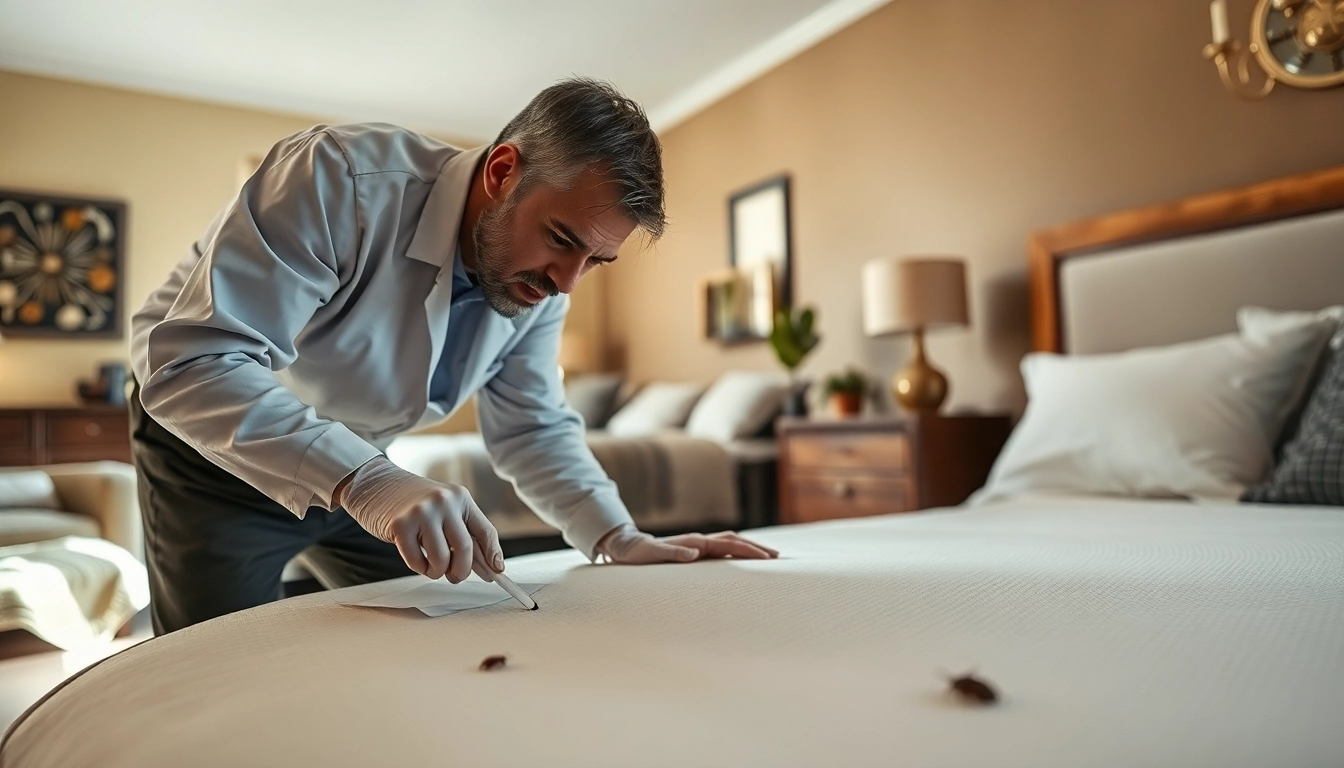
Understanding Bed Bugs and Their Threats
What are Bed Bugs?
Bed bugs are small, wingless insects that primarily feed on the blood of humans and animals. They are known scientifically as Cimex lectularius and have become a significant pest problem in many regions. These nocturnal creatures are approximately 4 to 5 millimeters in length, making them quite difficult to spot. They are characterized by their reddish-brown color, flat bodies, and an ability to hide in crevices, seams, and folds of furniture, especially mattresses and headboards.
Signs of Bed Bug Infestation
Identifying a bed bug infestation early is crucial for effective bed bug treatment. Common signs include:
- Live Bed Bugs: The most obvious sign, often visible in hiding spots around your bed.
- Bed Bug Bites: Small, red welts on the skin, usually in a line or cluster.
- Dark Stains: Smears of excrement on sheets or walls, which may appear as dark spots.
- Molted Skins: Shed outer skins left behind during the molting process.
- Eggs and Casings: Tiny white eggs and brown casings can often be found near infested areas.
The Impact of Bed Bugs on Health and Wellbeing
While bed bugs are not known to transmit diseases, their bites can lead to a host of health issues. Individuals may experience allergic reactions resulting in itching and skin infections due to scratching. Psychologically, the stress of an infestation can lead to insomnia, anxiety, and social withdrawal. Understanding these impacts emphasizes the need for thorough bed bug treatment and prevention strategies.
Initial Steps for Bed Bug Treatment
Identifying Infestation Areas
Before any treatment can take place, it’s vital to identify where the infestation is most severe. Common areas where bed bugs are found include:
- Mattresses and Box Springs: Check seams, labels, and corners for signs of bed bugs or stains.
- Furniture: Examine upholstered pieces and wooden furniture for signs of bed bugs.
- Cracks and Crevices: Bed bugs can hide in tiny openings around floors and baseboards.
- Luggage and Personal Belongings: Inspect bags, shoes, and clothing, especially after travel.
Preparing Your Home for Treatment
Proper preparation is crucial for the success of any bed bug treatment. Consider the following steps:
- Remove clutter to reduce hiding spots for bed bugs.
- Vacuum carpets, mattresses, and furniture to remove bed bugs and their eggs.
- Wash bed linens, clothing, and textile items in hot water and dry them on high heat for at least 30 minutes.
- Seal infested items in plastic bags to prevent spreading.
- Inform anyone living in the household about the situation to limit bed bug movement.
Choosing the Right Tools and Products
Choosing the right products and tools is essential for effective bed bug treatment. Various commercial pesticides and traps are available, but it’s vital to select those that are proven effective. Look for EPA-registered products. Here are a few common choices:
- Pesticide Sprays: Target visible bed bugs in infested areas.
- Dust Insecticides: Useful for treating cracks where other products might not reach.
- Interceptors: Placed under bed posts to capture bed bugs as they attempt to climb.
- Bed Bug Mattress Encasements: Protect mattresses from becoming infested.
In-Depth Bed Bug Treatment Methods
Chemical Treatments and Their Efficacy
Chemical treatments can be effective when used properly. They often require multiple applications due to the bed bug's life cycle. Key types of chemical treatments include:
- Contact Killers: Kill pests on contact but often require a thorough application.
- Residual Insecticides: Leave a lasting residue that can kill bugs for weeks or months.
- Growth Regulators: Disrupt the life cycle of bed bugs, preventing them from maturing or reproducing.
For best results, follow the instructions carefully, as improper use can lead to resistance.
Non-Chemical Solutions: Heat and Steam
Heat treatments have gained popularity due to their effectiveness against all life stages of bed bugs. The process involves raising the temperature in a room to a level lethal to bed bugs, usually around 120°F (49°C) or higher. Steam treatment can also effectively kill bed bugs on contact and is particularly beneficial for infested furniture and mattresses. Here's how to use these methods:
- Heat Treatment: Professional services often use specialized equipment to heat an entire area. If it's a DIY method, portable heaters can be moved directive to infested areas.
- Steam Cleaning: Use a steam cleaner on low moisture to treat furniture, baseboards, and even mattress seams.
Integrated Pest Management Techniques
Integrated Pest Management (IPM) is a holistic approach combining multiple strategies for effective bed bug control. It includes:
- Monitoring: Regular checks help to catch infestations early.
- Prevention: Use of encasements, regular cleaning, and best practices for travel to minimize risk.
- Collaboration: Working with pest management professionals for tailored solutions.
Preventive Measures After Bed Bug Treatment
Regular Inspection Practices
Post-treatment, developing a habit of regular inspections can help maintain a bed bug-free environment. Schedule checks every few weeks, focusing on common hiding spots. Early detection significantly reduces the likelihood of a reinfestation.
Maintaining a Bed Bug-Free Environment
After successfully implementing a bed bug treatment, ensure long-term success with preventive measures:
- Keep clutter at bay to minimize hiding places.
- Regularly wash and dry bed linens on high heat.
- Use bed bug-proof mattress and box spring encasements.
- Consider installing interceptors on bed legs to catch any wandering bugs.
When to Call Professionals
While DIY methods can be effective, severe infestations may warrant professional intervention. If there's evidence of widespread infestation or persistence despite treatment, consulting pest control experts can provide a tailored solution and peace of mind.
Frequently Asked Questions About Bed Bug Treatment
How do you know if you have bed bugs?
Look for signs such as bites, blood stains on sheets, dark spots of fecal matter, or spotting live bugs. Regular inspections can help in identifying the problem early.
Can bed bugs be treated without a pest control service?
Yes, but it requires a thorough approach using chemical and non-chemical methods. DIY methods can be effective, particularly in early-stage infestations.
What household items can help in bed bug treatment?
Items like vacuum cleaners, steam cleaners, and laundry facilities help significantly. High-heat treatments using dryers can kill bed bugs effectively.
How long does bed bug treatment usually take?
The time varies based on the severity of the infestation. Treatments can take several weeks to complete, especially if multiple sessions are required.
Are bed bugs harmful to pets?
Bed bugs do not typically harm pets directly. However, they can cause discomfort through bites. It's advisable to monitor your pets and maintain a clean environment to prevent infestations.