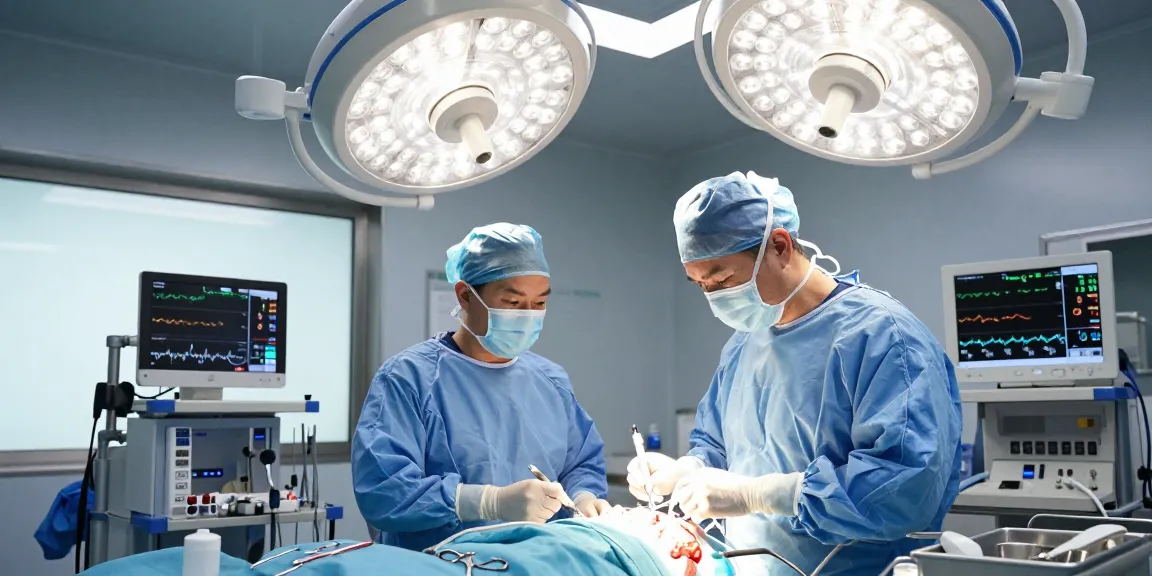
Understanding Brain Surgery
Brain surgery is a critical medical procedure that addresses various neurological issues such as tumors, hemorrhages, and structural abnormalities. This complex field of medicine combines advanced technology with specialized surgical techniques, enabling surgeons to execute intricate operations that could potentially save lives. For patients facing the prospect of brain surgery, understanding the intricacies of the procedure, preparation, and recovery process is paramount. Comprehensive resources like Beyin ameliyatı provide essential insights into what to expect during this life-changing experience.
What is Beyin Ameliyatı?
Beyin ameliyatı, medically referred to as neurosurgery, is the surgical treatment of a variety of conditions affecting the brain and central nervous system. This encompasses surgeries for brain tumors, traumatic brain injuries, cerebral hemorrhages, and more. Each of these conditions requires unique surgical approaches, reflecting the complexity and delicacy involved in operating on the brain. Neurosurgeons utilize state-of-the-art technology, including imaging techniques and robotic assistance, to enhance their precision and outcomes.
Common Types of Brain Surgeries
- Brain Tumor Surgery: Involves removing tumors either through traditional open surgery or minimally invasive techniques.
- Hemorrhage Surgery: Targeting conditions such as epidural or subdural hematomas through emergency procedures to prevent brain damage.
- Endoscopic Surgery: Utilizes small cameras and tools inserted through tiny incisions, reducing recovery time and minimizing risks.
- Awake Craniotomy: Involves the patient being awake during part of the surgery to ensure critical brain functions are preserved.
Criteria for Undergoing Brain Surgery
Deciding to undergo brain surgery depends on various criteria including the type of condition, its severity, and the individual patient’s health. Surgeons typically assess whether the potential benefits of surgery outweigh the inherent risks, which can include infection, bleeding, and neurological complications. A comprehensive preoperative assessment is crucial to establish the right surgical strategy and prepare the patient adequately.
Preparation for Surgery
Preoperative Assessment and Consultation
Before undergoing brain surgery, patients must undergo a thorough preoperative assessment. This may include a physical examination, imaging studies like MRI or CT scans, and consultations with various specialists to evaluate overall health. Understanding the patient's medical history, including any prior surgeries, existing conditions, and medication use, is critical for ensuring safety and optimizing surgical success.
Risk Assessment in Brain Surgery
Every surgical procedure carries risks, but the nature of brain surgery necessitates a meticulous risk assessment. Potential complications may involve infection, blood clots, or adverse reactions to anesthesia. The surgical team must weigh these risks against the expected benefits of the operation, often discussing them in detail with patients and their families to ensure informed consent.
Patient Instructions Before Surgery
Patients are often provided with specific instructions prior to surgery, which may include dietary restrictions, medication adjustments, and preparation for anesthesia. It’s important for patients to follow these instructions closely to minimize risks and enhance recovery outcomes. For instance, avoiding blood thinners and fasting for a specified period before the procedure can significantly influence surgical safety.
The Surgical Procedure
Step-by-Step of a Typical Beyin Ameliyatı
The actual surgical procedure begins with the administration of anesthesia, followed by an incision made based on the specific type of surgery being performed. For traditional craniotomies, a section of the skull is temporarily removed to allow access to the brain. In contrast, minimally invasive approaches require only small incisions, reducing recovery time. During surgery, the neurosurgeon carefully navigates through brain tissue to remove tumors, repair damaged areas, or address hemorrhages while preserving critical structures.
Innovative Techniques in Brain Surgery
Advancements in technology have revolutionized brain surgery. Techniques such as intraoperative MRI allow surgeons to visualize the brain in real time, enhancing accuracy during the procedure. Additionally, the use of neuromodulation techniques can help manage pain and facilitate quicker recovery times. Modern surgical practices also incorporate patient-specific planning using 3D models derived from imaging, allowing for tailored approaches based on individual anatomy.
Role of Technology in Modern Neurosurgery
Technology plays a pivotal role in enhancing surgical precision and outcomes. From robotic-assisted surgeries to advanced imaging techniques, the integration of technology in neurosurgery not only supports surgeons but also fosters improved safety and recovery for patients. These innovations continue to expand the possibilities of what can be achieved through brain surgery.
Postoperative Care
Recovery Process After Brain Surgery
The recovery process after brain surgery varies significantly among patients based on factors such as overall health, the complexity of the surgery, and age. Typically, the initial recovery period occurs in a monitored setting, where medical personnel can observe for complications. Once stable, patients often transition to rehabilitation, focusing on regaining lost functions and enhancing overall quality of life.
Managing Complications in Postoperative Care
Postoperative complications can arise, necessitating vigilant monitoring and management. Common issues include infection, bleeding, and neurological deficits. Healthcare teams are trained to identify and address these complications promptly to mitigate risks and enhance recovery. Patient education on recognizing early signs of complications is vital for ensuring timely intervention.
Physical and Psychological Rehabilitation
Rehabilitation plays a crucial role in the healing process. Physical therapy may be necessary to regain strength and coordination, while psychological support can help patients cope with emotional challenges following surgery. A multidisciplinary approach to rehabilitation can significantly improve recovery outcomes, ensuring that all aspects of a patient’s well-being are addressed.
Cost and Accessibility
Factors Influencing the Cost of Beyin Ameliyatı
The cost of brain surgery can vary widely depending on several factors, including the type of procedure, hospital location, and the expertise of the surgical team. Generally, more complex surgeries or those requiring advanced technology tend to be more expensive. Patients are encouraged to discuss financial aspects with their healthcare providers beforehand to understand potential costs and payment options.
Insurance Coverage and Options
Insurance coverage for brain surgeries can also vary. Many health insurance plans provide some level of coverage for necessary surgeries, but patients should verify their specific benefits, considering possible out-of-pocket costs. Additionally, understanding how different procedures are coded and billed can help patients navigate their financial responsibilities more effectively.
Financial Assistance for Patients
For patients facing significant financial burdens due to surgery costs, various financial assistance programs may be available. For more information, Beyin ameliyatı offers valuable insights. Hospitals and non-profit organizations often have resources to help patients cover their expenses, emphasizing the importance of reaching out and exploring these options as early as possible in the treatment process.