Australia, known for its breathtaking landscapes, rich multicultural society, and thriving economy, is a country that often finds itself at the center of global discussions. This vast continent offers a unique blend of natural beauty and modern civilization. From expansive deserts to bustling urban areas, Australia presents a variety of experiences that cater to both locals and tourists alike. In this article, we delve into the many facets of Australia, exploring its geography, cultural heritage, tourist attractions, and economic landscape.
Australia: A Land of Diverse Landscapes and Climates
Topographical Features of Australia
Australia is renowned for its distinctive topography. As the world’s flattest and driest inhabited continent, it harbors some of the most unique geological formations. The Great Dividing Range, extending over 3,500 kilometers, is Australia's longest mountain range, influencing the country’s weather patterns and ecosystems. Towering over the plains, it separates the coastal regions from the interior, showcasing stunning vistas.
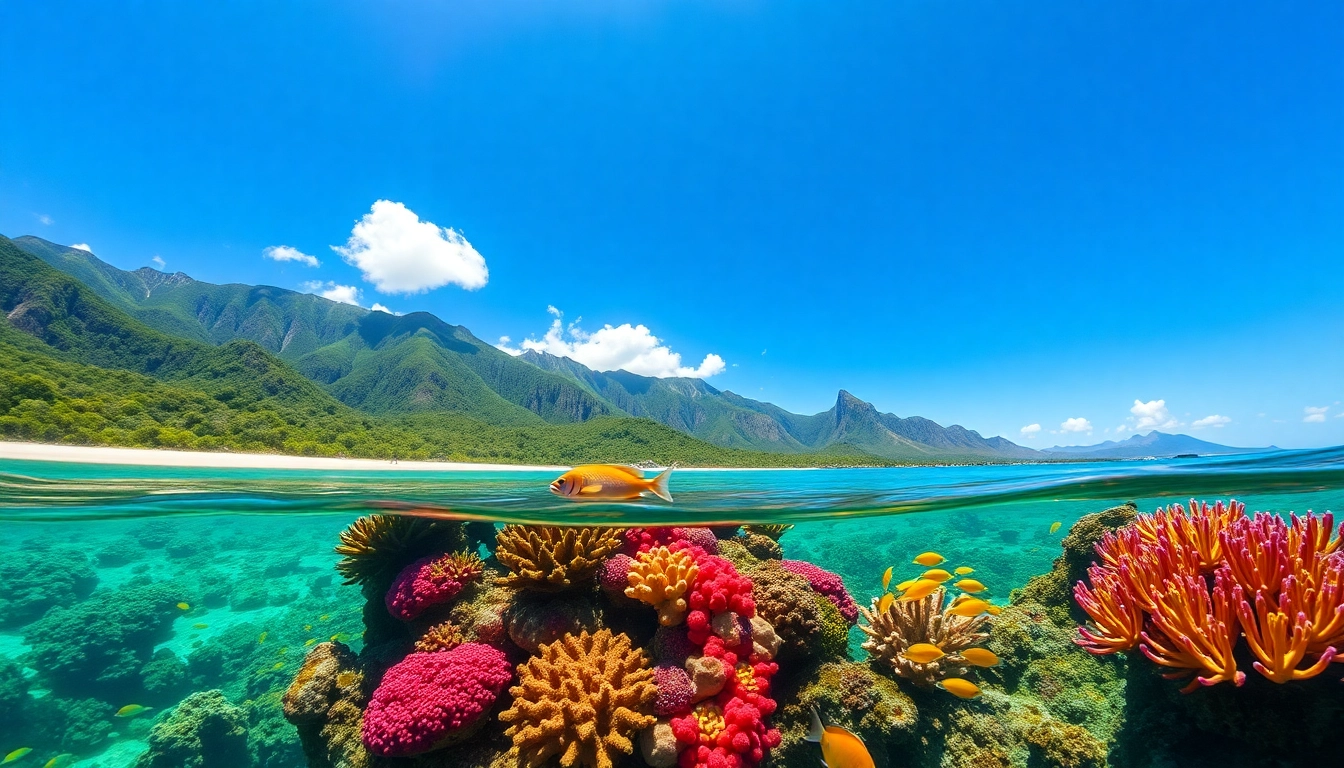
The Interior, often referred to as the Outback, is characterized by arid deserts like the Simpson and Great Sandy. These areas are famous for iconic landmarks such as Uluru (Ayers Rock), which holds great spiritual significance for Indigenous Australians. Coastal regions, on the other hand, boast fine beaches, coral reefs, and an abundant marine life, particularly the Great Barrier Reef—one of the Seven Natural Wonders of the World.
Climate Zones Across Australia
Australia experiences a variety of climate zones due to its size and geographical location. The northern part features a tropical climate, with warm temperatures year-round and a distinct wet and dry season. This is contrasted by temperate climates in the south, particularly in cities like Melbourne and Sydney, where four seasons are observable, including mild summers and chilly winters.
As you move to the central regions, the climate changes to semi-arid and desert conditions, which influence flora and fauna in these areas. The diversity in climate contributes to the spectacular variety of landscapes present in Australia, making it a haven for nature lovers and adventure seekers.
Flora and Fauna Unique to Australia
The biodiversity of Australia is unmatched, with many species endemic to the continent. The country is home to distinctive flora such as eucalyptus trees and banksias, which have adapted to survive harsh conditions. The unique wildlife includes kangaroos, koalas, and the platypus—all creatures that heavily symbolize Australia's natural heritage.
Australia’s conservation efforts focus on protecting its unique ecosystems, including national parks and wildlife reserves, which safeguard these native species. Eco-tourism, growing rapidly in Australia, emphasizes sustainable practices while allowing visitors to engage with the rich natural environment the continent has to offer.
The Multicultural Fabric of Australia
Historical Overview of Immigration in Australia
Australia's rich cultural tapestry is woven from waves of immigration that began with European settlers in the late 18th century. Over the years, migrants from various regions—Europe, Asia, and Africa—have established their communities, introducing diverse traditions, languages, and cuisines.
Post-World War II, Australia saw a surge in immigration, promoting a multicultural policy that embraced diversity. Today, about 30% of Australians are born overseas, contributing to a society that celebrates its multicultural heritage through festivals, food, and music.
Indigenous Cultures and Contributions
The Indigenous peoples of Australia, including Aboriginal and Torres Strait Islander communities, are the oldest living cultures in the world. Their history and traditions, which date back over 65,000 years, are integral to the nation’s identity. Their deep connection to the land and sustainable living practices provide valuable insights into environmental stewardship.
Recognition of Aboriginal culture has increased in recent years, leading to greater visibility and respect within Australian society. Festivals, art exhibitions, and educational programs promote Indigenous perspectives and contributions, enhancing Australia’s cultural landscape.
Modern Australian Society and Lifestyle
Today’s Australia is a blend of influences from around the globe. This cultural amalgamation can be seen in various facets of life, from the arts and cuisine to sporting events and community activities. Australians enjoy outdoor lifestyles, with a strong emphasis on work-life balance, reflected in their love for sports, barbecues, and access to nature.
Cities like Sydney, Melbourne, Brisbane, and Perth offer vibrant urban experiences characterized by multicultural neighborhoods, art galleries, and thriving nightlife. The Australian lifestyle often prioritizes leisure and enjoyment, making it unique in the global context.
Tourism in Australia: Experiences and Attractions
Must-Visit Destinations in Australia
With its diverse landscapes, Australia offers a plethora of must-visit destinations. Sydney’s iconic Sydney Opera House and Harbour Bridge draw millions of visitors annually, while Melbourne is renowned for its cultural events, coffee scene, and street art. Natural wonders such as the Great Barrier Reef attract snorkelers and divers from around the world, while the red sands of Uluru provide a spiritual experience for many.
Other notable destinations include the Whitsunday Islands, the picturesque Blue Mountains, and Tasmania's rugged coastline, each presenting an array of activities, from hiking and boating to wildlife viewing.
Adventure Activities and Eco-Tourism
For the adventurous, Australia offers thrilling activities such as scuba diving, surfing, and rock climbing. The country is also a top destination for backpacking and road trips, with scenic routes like the Great Ocean Road drawing travelers to its coastline.
Eco-tourism has gained traction, with initiatives focusing on sustainable practices. Guided eco-tours in national parks allow visitors to engage with Australia’s flora and fauna responsibly, educating them about the environment while promoting conservation.
Cultural Events and Festivals in Australia
Australian cultural events reflect its rich diversity and heritage. Events such as the Sydney Festival, Melbourne International Comedy Festival, and Vivid Sydney offer enriching experiences that showcase the arts. Additionally, community-based festivals celebrate cultural traditions, offering opportunities to experience food, music, and dance from various backgrounds.
Sports events, particularly AFL and cricket, highlight the nation’s passion for sporting culture, drawing together communities of all backgrounds to cheer for their teams.
Economy of Australia: Key Insights
Industry Sectors Driving Australia's Economy
Australia boasts a robust economy characterized by significant contributions from various sectors. The mining sector leads the way, extracting vital resources like iron ore, coal, and precious metals. Agriculture, tourism, and education also play crucial roles, making Australia a noteworthy player in the global market.
In recent years, Australia has emphasized innovation and technology, positioning itself as a leader in sectors such as renewable energy and fintech. The growing startup ecosystem encourages entrepreneurship, fueling economic growth and diversification.
Living Standards and Average Salaries
Australia is consistently ranked among the highest in terms of living standards, driven by a strong economy, quality healthcare, and education systems. The average salary allows for a comfortable lifestyle, although costs of living vary significantly across cities. Urban areas like Sydney are notably more expensive than regional towns, impacting living standards and housing accessibility.
To maintain a good quality of life, residents often look toward job security and a balanced work-life dynamic, essential components of Australian culture.
Future Economic Trends in Australia
Looking ahead, Australia is poised for economic evolution, driven by digital transformation and sustainability initiatives. The government is focusing on investments in technology and renewable energy sources, aiming to foster long-term economic resilience. Additionally, the emphasis on international trade agreements and relations aims to strengthen Australia's position in the global market.
With a keen eye on innovation, Australia is set to navigate future challenges and capitalize on opportunities within the ever-evolving landscape.
Frequently Asked Questions About Australia
What languages are spoken in Australia?
English is the official language, but many communities speak languages from their heritage, such as Chinese and Italian, reflecting the country's multicultural landscape.
Is Australia a good place to live?
Yes, Australia is known for its high standard of living, beautiful landscapes, and a welcoming multicultural atmosphere, making it a great place for residents and newcomers.
What is the currency used in Australia?
The Australian Dollar (AUD) is the currency used in Australia, widely accepted for various transactions across the country.
What are some common foods in Australia?
Australia boasts diverse cuisine influenced by its multicultural population, including barbecue, seafood, and iconic dishes like Pavlova and Vegemite.
How vast is Australia compared to other countries?
Australia is the sixth-largest country in the world by total area, roughly equivalent to the size of the continental United States, highlighting its vast landscapes.