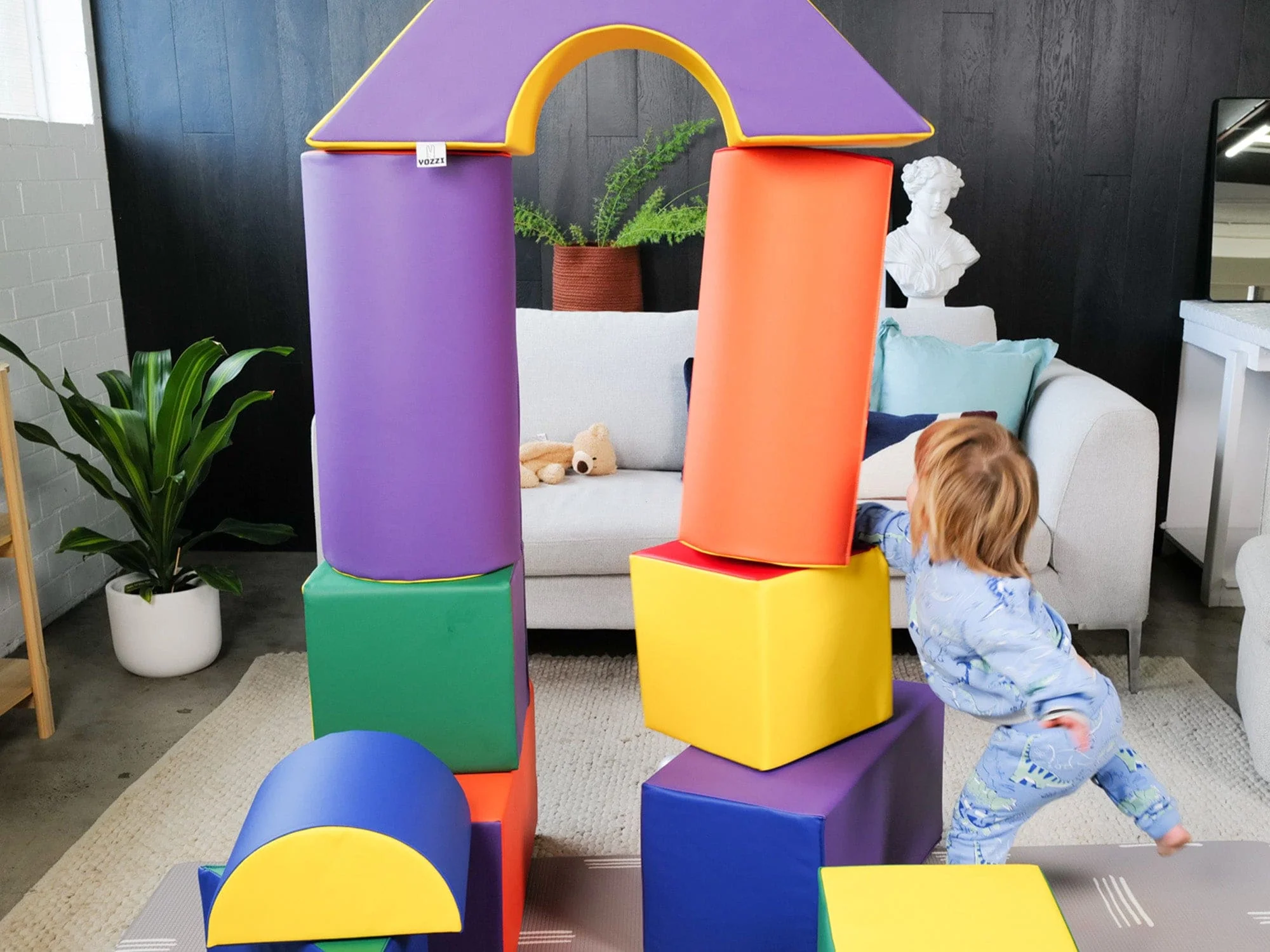
The Benefits of Giant Foam Building Blocks for Indoor Play
Giant foam building blocks have become a staple in playrooms across the country, transforming the way children engage in both structured and unstructured play. These versatile toys encourage imagination, creativity, and social interaction among kids. Foam blocks are not just a source of entertainment; they carry numerous developmental benefits that make them an essential addition to any indoor play environment. To explore these benefits in more details, let’s delve into their impact on cognitive development, physical activity, and social skills.
Cognitive Development Through Construction
Building with giant foam blocks offers significant cognitive benefits as children engage in the fundamental principles of construction and design. When kids manipulate blocks, they experiment with weight, balance, and spatial reasoning—skills that are foundational in early mathematics and engineering learning. For instance, attempting to balance a large foam block on top of smaller blocks presents a fun challenge that promotes problem-solving and critical thinking.
Additionally, this type of play stimulates creativity. As children construct their imaginary worlds—whether it’s a castle, a spaceship, or a fort—they are using their imaginations to develop scenarios and narratives. This imaginative play encourages narrative skills, enhances vocabulary, and promotes literacy as children describe their creations to others.
Promoting Physical Activity and Coordination
In an age where screens dominate children's leisure time, giant foam blocks provide a much-needed outlet for physical activity. Manipulating large blocks requires a variety of movements—lifting, stacking, and balancing—that enhance gross motor skills. This physical engagement is crucial for improving coordination and encouraging an active lifestyle from an early age.
Playing with these blocks demands physical effort, which can help children develop strength, balance, and fine motor skills as they learn to grip and move the blocks. Kids must also practice coordination when navigating around or over their structures, further enhancing their overall motor skills. Incorporating obstacle courses or games that involve moving blocks can turn playtime into a fun workout!
Enhancing Social Skills Through Collaborative Play
Giant foam building blocks naturally inspire collaboration and teamwork among kids. When children play together to build expansive structures, they learn to communicate ideas, negotiate roles, and resolve conflicts. This collaborative approach fosters essential social skills such as empathy and respect for others’ opinions.
Moreover, group play scenarios develop leadership qualities. Children often take turns directing the building process, learning how to guide their peers while being receptive to suggestions. Communal play not only strengthens friendships but also boosts social confidence. Overall, these interactions lay the groundwork for healthy relationships in the future.
Choosing the Right Foam Blocks for Your Needs
With a multitude of options available, selecting the right giant foam blocks for your play environment can feel overwhelming. Keep in mind various factors such as size, shape, safety, and material to ensure you make the best choice for your space and children.
Different Sizes and Shapes Available
Foam blocks come in an array of sizes and shapes, each offering unique play possibilities. Larger blocks can create a visually captivating environment, encouraging strategic thinking when building. Smaller blocks, on the other hand, can enhance fine motor skills as children manipulate them in intricate designs.
Shapes also play a critical role in how children engage with blocks. Basic shapes such as squares and rectangles are foundational, allowing the construction of stable structures. However, incorporating unusual shapes—like arches or triangle pieces—can inspire creative thinking and experimentation, pushing imaginative boundaries even further.
Safety Considerations When Selecting Blocks
Safety is paramount when choosing foam building blocks. Ensure that the blocks are made from non-toxic, high-density foam to reduce the risk of injury or allergic reactions. Check for certifications that guarantee the product meets safety standards for children’s toys.
Additionally, consider the absence of sharp edges and the quality of construction. Ideal foam blocks should be soft enough to mitigate potential injuries while being sturdy enough to withstand the rigors of play. Some products also feature antimicrobial properties, which is an added advantage for maintaining hygiene.
Materials and Durability Factors
The longevity of foam building blocks predominantly relies on the material used in their construction. Look for high-density foam that retains its shape over time and can endure the wear and tear of active play. Durable foam blocks are designed to resist tearing and compressing, allowing them to maintain their integrity for years.
Some manufacturers also include waterproof features, making them easier to clean and suitable for diverse environments. When choosing your blocks, consider how frequently they will be used and in what contexts to find the most appropriate material.
Creative Indoor Adventure Ideas with Foam Blocks
Giant foam building blocks serve as a catalyst for creativity and imaginative play. Here are some innovative ways to utilize foam blocks to create engaging indoor adventure experiences.
Building Designs for Themed Play Zones
Transform a simple playroom into an exciting themed environment with foam blocks! Create a jungle adventure space by building tree houses and animal dens. Or, assemble a castle and a creative medieval village for imaginative role-playing. The versatility of foam blocks allows children to personalize their spaces, making play more immersive and engaging.
Temporary play zones can be constructed for specific activities, like a spaceship for a “mission to Mars” event or a pirate ship for treasure hunts. Incorporating additional props can enrich these themes and extend the adventure.
Incorporating Foam Blocks into Educational Activities
Foam blocks can be an excellent educational tool, seamlessly integrating learning into play. For younger children, blocks can teach basic counting, addition, and subtraction by requiring them to count how many blocks are needed to complete a structure.
For older children, facilitate engineering challenges by encouraging them to build structures that can withstand various forces, like wind or earthquakes. By embedding educational principles into play, children learn while having fun, enhancing retention and engagement with the concepts.
Fun Challenges and Competitions for Kids
Engaging children in friendly competitions can elevate their excitement and motivation levels. Set challenges such as racing to build the tallest structure or creating a design that takes the least time to construct. Encourage creativity by adding themes or constraints, like “build using only blue blocks,” to inspire out-of-the-box thinking.
Incorporating timers or scoring systems can turn these challenges into vibrant mini-competitions that build camaraderie among participants. Celebrating each child's accomplishments fosters a sense of achievement and self-esteem.
Maintaining and Storing Giant Foam Blocks
Preserving the quality and longevity of your foam building blocks involves proper maintenance and storage. Following these essential practices ensures that these valuable toys remain in top condition for years of enjoyment.
Cleaning Tips for Foam Building Blocks
Cleaning foam blocks is straightforward and essential for maintaining hygiene. Use a soft cloth dampened with mild soap and water to gently wipe the surfaces of the blocks. Avoid harsh chemicals that may damage the material.
After cleaning, allow the blocks to air dry completely before storing them or reintroducing them to play. Regular maintenance can prevent the buildup of dirt and grime, sustaining the blocks’ aesthetic appeal and safety.
Best Storage Solutions for Small Spaces
Storing giant foam blocks can be challenging if space is limited. Consider vertical storage solutions such as shelving units or wall-mounted organizers to maximize floor space. Large bins can also work well, providing an enclosed area for blocks while being easy to access.
Another creative solution is creating a designated play area with a build-in storage system, such as benches or ottomans with compartments, to keep blocks organized while still promoting play. Ensuring that blocks are stored safely not only protects them but also keeps the play area tidy.
Maximizing Lifespan with Proper Care
To prolong the lifespan of foam blocks, it’s crucial to implement proper care strategies. Regularly check for signs of wear and tear—such as tears or dents—and remove damaged blocks from play to prevent accidents.
Moreover, avoid exposing foam blocks to extreme temperatures or direct sunlight, as this can weaken the structure over time. By taking these proactive steps, you can ensure your foam blocks retain their form and function for ongoing use.
FAQs about Giant Foam Building Blocks
What age group is suitable for foam building blocks?
Foam building blocks are ideal for children ages 3 and up, promoting creativity and safety.
How do giant foam blocks enhance learning?
They help with spatial awareness, problem-solving, and teamwork skills as kids play and build.
Are foam blocks safe for indoor use?
Yes, they are made from soft, non-toxic materials, minimizing the risk of injury during play.
Can foam blocks be used outdoors?
While some can, it's best to use them indoors to prevent deterioration from the elements.
How do I clean foam building blocks?
Simply wipe them down with a damp cloth and mild soap. Ensure they dry completely before storage.