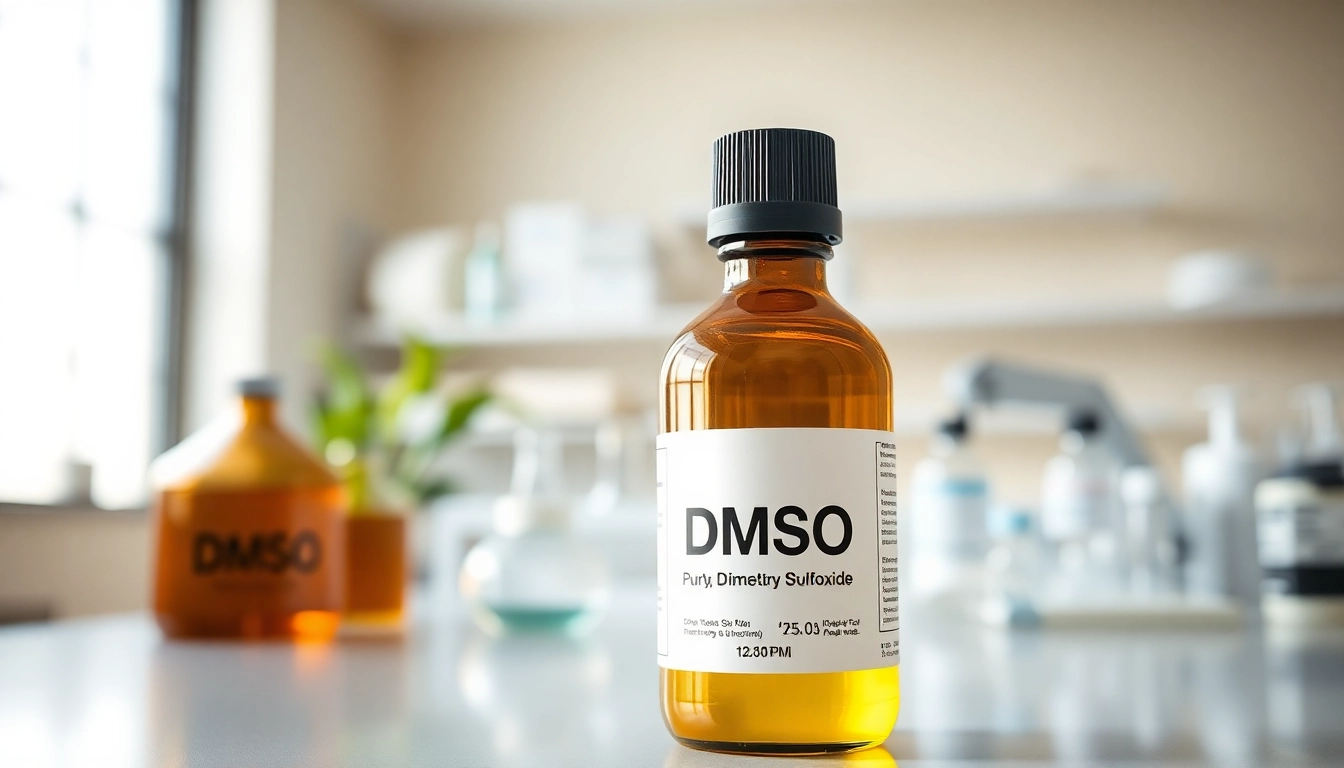
Understanding DMSO: The Basics
What is DMSO?
Dimethyl Sulfoxide (DMSO) is an organic compound with the formula C₂H₆OS. It is a colorless, odorless liquid that has gained recognition for its unique solvent properties and biological applications. Initially derived from the process of wood pulp manufacturing, DMSO has found its way into various fields, including pharmaceuticals, cosmetics, and therapeutic interventions. Notably, it is distinguished by its ability to penetrate biological membranes, making it a valuable carrier for medications.
Benefits of DMSO
DMSO offers a multitude of benefits that have piqued the interest of both researchers and health enthusiasts alike. Among its prominent advantages is its anti-inflammatory property, which makes it a popular choice for managing pain and inflammation in conditions such as arthritis or sports injuries. Additionally, studies suggest DMSO may enhance the efficacy of other medications when used as a topical carrier. Its low toxicity profile further solidifies its reputation as a safe application in various therapeutic practices.
Common Uses of DMSO
DMSO has a wide range of applications that extend beyond laboratory research. In the realm of medicine, it is commonly used for:
- Topical pain relief for conditions such as arthritis and fibromyalgia.
- Reducing swelling and inflammation in acute injuries.
- As a cryoprotectant in biological research, preserving cells and tissues during freezing.
- Delivery of pharmaceuticals through the skin, enhancing their absorption.
Choosing the Right DMSO Product
Purity Standards for DMSO Products
When selecting DMSO products, purity is paramount. Pharmaceutical-grade DMSO is typically 99.9% pure and meets stringent safety and quality standards. Consumers should scrutinize labels and product descriptions to ensure they are obtaining high-quality, pure DMSO to maximize its therapeutic effects and minimize potential side effects and contaminants.
Different Forms of DMSO Available
DMSO is available in several forms, catering to various user needs:
- Liquid DMSO: This is the most common form found in stores. Suitable for topical applications and can be mixed with other ingredients.
- Gel and Creams: These formulations often combine DMSO with other active ingredients, providing a more targeted approach for skin applications.
- Powdered Form: Available for those who prefer to mix it for specific applications.
How to Evaluate DMSO Brands
Choosing the right brand can be pivotal in the efficacy and safety of DMSO products. Here are some criteria to consider:
- Reputation: Look for brands with a solid track record, positive customer reviews, and recommendations from health care providers.
- Transparency: Reputable brands should provide access to certificates of analysis (COAs) and detailed information about the sourcing and purity of their DMSO products.
- Customer Support: Check whether the brand offers support and guidance regarding the use of their products.
Safety Guidelines for Using DMSO
Application Methods
DMSO can be applied topically, and its absorption rate into the skin is notably high. Users should take care to:
- Cleanse the skin thoroughly to avoid contamination.
- Apply with clean hands or using a sterile applicator to prevent any foreign substances from entering the bloodstream.
- Consider diluting DMSO with water or other safe solvents for sensitive skin applications.
Potential Side Effects
While DMSO is generally considered safe, some users may experience side effects, including:
- Skin irritation at the application site.
- Unusual garlic-like taste or odor in the mouth shortly after use.
- Allergic reactions are rare but possible.
It’s advisable to conduct a patch test before widespread use and discontinue application if any severe reactions occur.
Safety Precautions When Using DMSO
Incorporating safety measures into the use of DMSO is critical. Users should avoid:
- Using on broken skin or open wounds without medical advice.
- Mixing with unknown substances or medications without proper knowledge.
- Ingesting DMSO unless prescribed by a healthcare professional.
Incorporating DMSO into Your Health Routine
Personalized Health Approaches with DMSO
DMSO's versatility allows it to fit into various health routines effectively. Individuals may consider personalized dosing and application methods based on their specific needs. Consulting with a healthcare professional can help tailor the use of DMSO to maximize its benefits, especially when addressing chronic pain or injury recovery.
Combining DMSO with Other Therapies
DMSO can be integrated into a broader health regimen that may include physical therapy, exercise, or dietary changes. Its effectiveness in enhancing the absorption of other treatments makes it an ideal companion for various therapeutic agents. Always consult with a qualified practitioner to determine the best combination of therapies.
Testimonials and Experiences with DMSO
Many users have shared anecdotal evidence of DMSO's efficacy in their health journeys. Experiences often highlight its quick action on pain relief and swelling reduction. Documenting personal experiences with DMSO can also provide valuable insights into its effectiveness and guide others considering its use.
Frequently Asked Questions about DMSO and DMSO Store Inc.
Can DMSO be used on sensitive skin?
Yes, DMSO can be used on sensitive skin, but it is advisable to dilute it with a carrier to minimize irritation.
Is DMSO safe for long-term use?
Long-term use of DMSO can be safe for many, but medical guidance is important to manage potential side effects and develop an appropriate plan.
Where can I buy DMSO products online?
DMSO products can be purchased online from various retailers, including dmso store inc, which offers a range of quality options.
What makes DMSO Store Inc. unique?
DMSO Store Inc. stands out due to its commitment to quality and purity, offering premium, pharmaceutical-grade DMSO products with transparent sourcing information.
How to store DMSO products properly?
Store DMSO products in a cool, dry place, away from direct sunlight and heat. Ensure containers are tightly sealed to avoid contamination.