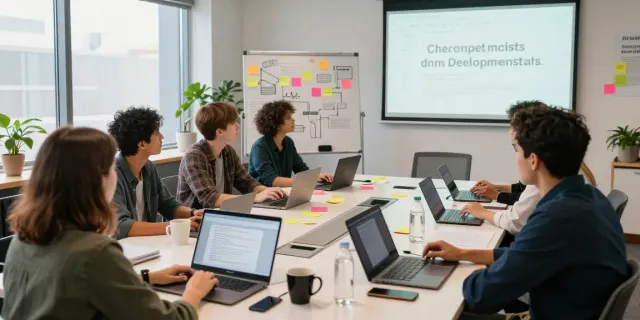
Understanding AI that Handles Meeting Follow Ups
What is AI that Handles Meeting Follow Ups?
AI that handles meeting follow ups represents a transformative shift in how organizations manage communication and tasks after meetings. This technology leverages machine learning, natural language processing, and automation to streamline the often cumbersome process of following up on meeting discussions. It serves as an intelligent assistant, managing action items, sending reminders, and compiling notes, thus alleviating the administrative burden on teams. By harnessing these capabilities, businesses can enhance their operational efficiency and maintain clearer communication within their teams and with clients. You can explore more about this innovative tool at AI that handles meeting follow ups.
Key Features and Benefits
AI tools designed for handling meeting follow ups come packed with pivotal features that directly address common bottlenecks in professional settings:
- Automated Action Item Tracking: After meetings, the AI can automatically summarize the key points and action items, ensuring that no essential task is overlooked.
- Seamless Integration: These tools can integrate with calendars, email systems, and project management software to streamline workflows and improve accessibility to information.
- Real-time Notifications: Users receive timely reminders regarding upcoming tasks or deadlines resulting from meetings, making it easier to stay organized.
- Enhanced Collaboration: AI facilitates communication across departments by providing a centralized platform to view and manage follow-ups, thus improving teamwork.
- Data-Driven Insights: Many AI tools analyze historical meeting data to provide insights into team productivity and areas for improvement.
Overall, leveraging AI that handles meeting follow ups can lead to increased productivity, better time management, and improved communication across teams.
How It Works in a Professional Setting
In a professional environment, the implementation of AI for meeting follow ups typically involves several stages:
- Calendar Synchronization: The AI tool connects with users’ calendars to identify scheduled meetings.
- Meeting Notes Collection: During or after the meeting, the AI captures notes, discussions, and pertinent information either through voice recognition or manual input.
- Action Item Generation: From those notes, the AI generates a list of actionable tasks, assigns responsibilities, and sets deadlines.
- Follow-Up Distribution: The AI sends out follow-up emails to relevant participants, summarizing the discussion and outlining action items.
These processes ensure accountability and clarity in tasks post-meeting, allowing teams to focus on execution rather than administrative management.
Common Challenges in Meeting Management
Failure to Follow Up Effectively
One of the most common issues in meeting management is the failure to follow up effectively. Often, participants leave meetings with a mental list of tasks but may easily forget their commitments. This oversight has ripple effects that can hinder project progress and dilute team engagement. AI tools mitigate this risk by ensuring that follow-ups are documented, communicated, and tracked proactively.
Poor Communication and Coordination
Effective communication and coordination are critical to successful team collaborations. However, without a clear follow-up mechanism, teams can struggle to stay aligned on objectives and responsibilities. AI tools bridge this gap by streamlining communication and offering a platform where all follow-ups are visible and accessible, thus reducing misunderstandings and enhancing trust among team members.
Time Constraints in Busy Schedules
In today’s fast-paced business environment, professionals often juggle multiple priorities that can make follow-ups a low priority, resulting in missed deadlines and opportunities. AI that handles meeting follow ups can alleviate this strain by automating the process, allowing professionals to focus on high-level strategic tasks without sacrificing accountability and follow-through.
Implementing AI that Handles Meeting Follow Ups
Choosing the Right AI Tool
Selecting the appropriate AI tool for meeting follow-ups is a crucial step. Teams should consider factors such as ease of use, compatibility with existing software, and the specific features offered, such as task management or analytics capabilities. A robust tool often includes trial periods or demo versions, allowing teams to evaluate functionality before committing.
Integrating AI with Existing Workflows
The successful integration of AI into existing workflows requires careful planning. Organizations should map out current processes to identify points where AI can add value and streamline operations. This alignment ensures that the AI tools complement rather than disrupt existing workflows, fostering a smoother transition to an AI-driven approach.
Training Employees for Effective Use
Training is a vital component in capitalizing on the benefits that AI tools offer. Employees should receive hands-on training sessions that demonstrate how to utilize AI functionalities effectively, ensuring that all team members are on the same page. Ongoing support and resources can also help reinforce usage and encourage adoption in daily workflows.
Performance Metrics for Success
KPIs to Measure Effectiveness
To ascertain whether the implementation of AI that handles meeting follow ups is successful, organizations should establish clear Key Performance Indicators (KPIs). Common KPIs include:
- The rate of follow-up task completion within deadlines.
- The decrease in time spent on administrative tasks related to meetings.
- Improvements in team compliance and overall engagement in follow-ups.
Gathering Feedback from Teams
Collecting feedback from teams about their experiences with AI tools is essential for ongoing improvement. Surveys and open discussions can help gauge satisfaction, identify challenges, and gather suggestions for enhancement. This feedback loop not only aids in tool optimization but also promotes team involvement in the AI implementation process.
Continuous Improvement Strategies
Even after initial implementation, continuous improvement strategies should be embraced to ensure that the AI tool remains relevant and effective. This could include regular evaluations of performance metrics, updates to the AI system as new features are released, and adjustments based on team feedback. By fostering a culture of adaptability, organizations can maximize the long-term value of their AI tools.
Frequently Asked Questions
What types of meetings benefit the most from AI?
Meetings involving decision-making, project updates, and team brainstorming sessions significantly benefit from AI that handles meeting follow ups due to the complexity and number of actionable items generated.
How secure is the data handled by AI tools?
Most reputable AI tools implement industry-standard security measures such as data encryption and secure access protocols to protect sensitive meeting information and communications.
Can AI help in remote meeting follow-ups?
Yes, AI can assist in remote meeting follow-ups by automating note-taking, tracking tasks, and sending reminders, ensuring that distributed teams stay coordinated and informed.
What is the cost of implementing AI solutions?
The cost of implementing AI solutions varies widely based on the tool’s features, company size, and user requirements. Many providers offer flexible pricing plans suitable for businesses of all sizes.
How to transition from manual to AI-driven processes?
The transition to AI-driven processes involves evaluating existing workflows, selecting the right AI tools, and ensuring that employees receive adequate training to embrace new procedures seamlessly.