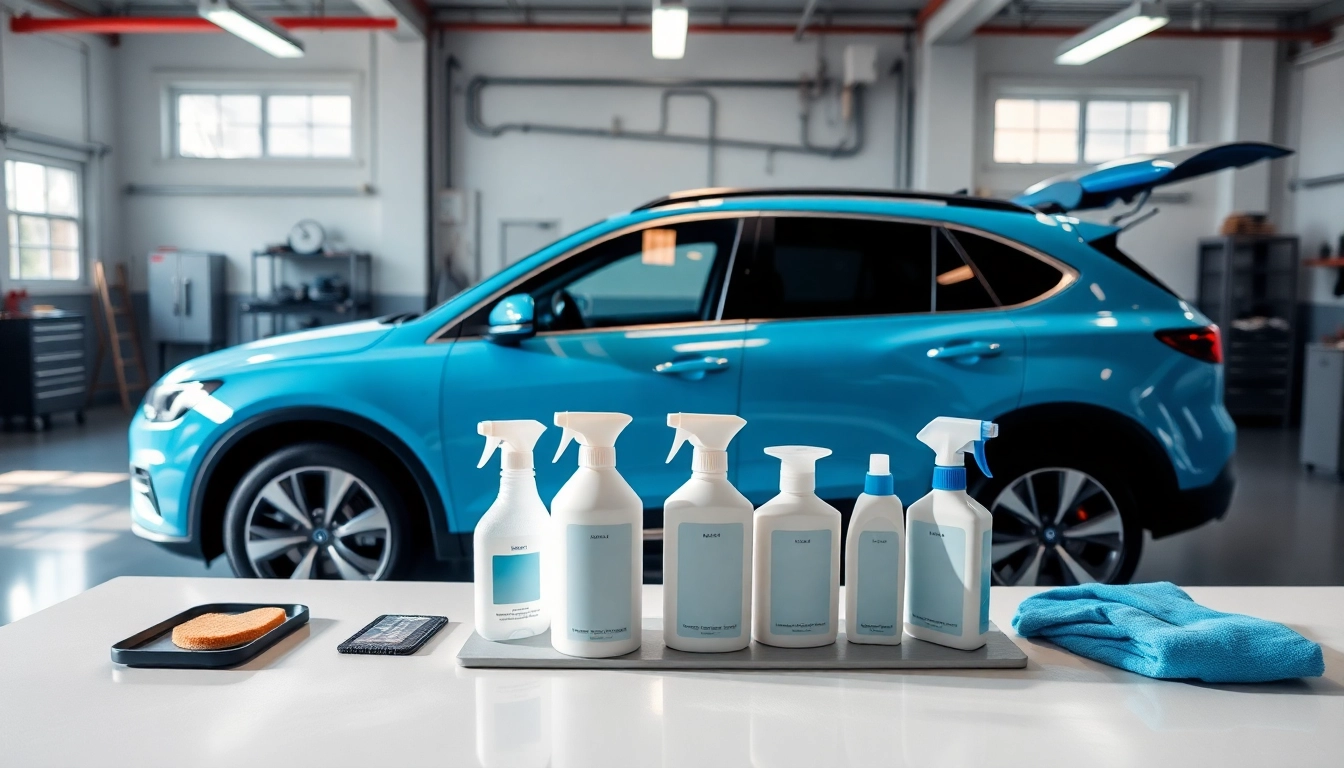
Understanding Car Detailing Basics
Car detailing refers to a meticulous cleaning, restoration, and finishing process for both the interior and exterior of a vehicle. Whether you are preparing to sell your car, maintain its resale value, or simply enjoy a pristine ride, establishing a solid car detailing routine step by step can make all the difference. It's not just about making your car look good; it’s also about protecting your investment and enhancing your driving experience.
The Importance of Car Detailing
Regular car detailing helps to maintain the vehicle's value and appearance. Dust, dirt, and contaminants can harm surfaces and ruin finishes over time. Furthermore, a clean car provides a healthy environment by removing allergens and bacteria that can accumulate in the interior. For car enthusiasts, detailing is a labor of love that allows individuals to express their pride in ownership. Simply put, it transforms a car into an aesthetically pleasing and protected asset.
Tools and Equipments Required
To embark on your car detailing journey, it's essential to gather the right tools and equipment. A basic toolkit should typically include:
- Microfiber towels
- Foam cannon or pressure washer
- Wheel brushes and tire scrubbers
- Interior brushes
- Vacuum cleaner with attachments
- Detailing clay
- Polishing machine (optional)
- High-quality wax and sealants
- Glass cleaner
- pH-neutral car shampoo
Investing in high-quality tools can significantly enhance the results of your detailed work.
Basic Terminology in Car Detailing
Familiarizing yourself with commonly used terms can enrich your understanding of the detailing process. Here are a few essential terms:
- Claying: Removing bonded contaminants on the paint surface using a clay bar.
- Sealant: A synthetic product that protects the paint by creating a strong bond.
- Cutting Polish: An abrasive compound that removes scratches and imperfections.
- Detailing: Comprehensive cleaning and restoring of a vehicle's aesthetic.
Car Detailing Routine Step by Step
Step One: Exterior Wash Techniques
The journey towards a spotless vehicle exterior begins with a thorough wash. Start with a pre-wash inspection to assess the condition of your vehicle:
- Pre-Washing: Use a pressure washer to remove loose dirt and debris. This will prevent scratches during the wash.
- Two-Bucket Method: Fill one bucket with soapy water and the other with plain water. Rinse your wash mitt in the plain water bucket before re-applying soap.
- Hand Wash: Start washing your car from top to bottom. Pay extra attention to areas that collect grime, like around the wheel wells and door sills.
- Rinsing: Continuously rinse the vehicle to avoid soap drying on the surface.
- Safeguarding Finish: For added protection, consider using a foam cannon and a pH-neutral car shampoo for a smoother wash experience.
Step Two: Drying Your Vehicle Correctly
Correct drying methods are crucial to prevent water spots and trim damage:
- Microfiber Towels: Utilize microfiber towels, as they are less likely to scratch the surface and effectively absorb water.
- Blowers: Consider using a leaf blower or specialized car drying blower to eliminate trapped water in seams and crevices.
- Pat Dry Technique: Instead of rubbing, gently pat the car dry to avoid swirl marks.
Step Three: Wheel and Tire Cleaning
Investing time in your wheels and tires significantly improves the overall appearance of your vehicle. Here are the detailed steps:
- Initial Rinse: Start with rinsing your wheels to eliminate loose debris and brake dust.
- Dedicated Cleaners: Use a formulated wheel cleaner to break down grime, and employ a wheel brush to scrub the surfaces.
- Tire Treatment: Apply a tire dressing to restore the black sheen of tires and protect them from UV damage, enhancing overall appearance.
Interior Detailing Process Explained
Step One: Clearing Out Personal Items
Begin the interior detailing process by removing all personal items from the cabin. This involves:
- Gathering all your belongings from inside the vehicle.
- Removing floor mats and any loose items that might obstruct thorough cleaning.
Step Two: Vacuuming and Shampooing
Aviating dirt and grime requires effective vacuuming:
- Using Attachments: Utilize various vacuum attachments to reach crevices and under seats.
- Shampooing Carpets and Seats: If necessary, use upholstery cleaner for fabric seats and carpet. For leather seats, a specialized cleaner followed by a conditioner is recommended.
Step Three: Detailing Surfaces and Upholstery
Focusing on all surfaces ensures that your interior looks brand new:
- Dashboard and Console: Use a soft brush and an appropriate cleaner to wipe down the dashboard, center console, and other surfaces.
- Door Panels: Clean and condition door panels to restore the original shine.
- Finishing Touch: Leave a scent to freshen the cabin, making the interior inviting.
Protecting Your Vehicle Post-Detailing
The Significance of Waxing
Waxing is an important step to protect your car's paint. Authentic wax creates a barrier against environmental contaminants and UV rays:
- Aesthetic Appeal: Wax enhances the gloss and shine of the vehicle's paint.
- Longevity of Finish: Regular waxing can prolong the lifespan of the vehicle's exterior.
Choosing the Right Sealants
When considering the right sealant, evaluate factors such as durability and application ease:
- Hybrid Sealants: These combinations can offer both flexibility and longevity.
- Application Method: Choose a product that suits your level of expertise, whether it’s spray-on or wipe-on.
Practical Tips for Long-lasting Protection
To maintain that pristine look, consider the following tips:
- Park in shaded areas to minimize the impact of harmful sun rays.
- Use a car cover when parked for long durations.
- Avoid automatic car washes, which can lead to scratches.
Frequently Asked Questions
What Is Car Detailing?
Car detailing involves a thorough cleaning and restoration process for both the exterior and interior of a vehicle, enhancing its aesthetics and protecting its surfaces.
How Often Should I Detail My Car?
It's recommended to detail your car at least twice a year, but doing it every few months helps maintain its condition and protects paint and surfaces.
Can I Detail My Car at Home?
Yes, many car detailing tasks can be done at home with the right tools and products, though professional services can ensure a deeper clean.
What Should I Use for Drying?
Use microfiber towels for drying your vehicle after washing, as they are gentle on paint and absorb water effectively.
Is Waxing Necessary After Detailing?
Waxing is not mandatory but highly recommended to protect your car's paint and enhance shine after detailing.