The Fascination Behind Look Alikes of Famous People
In a world where celebrity culture influences nearly every aspect of our lives, the phenomenon of look alikes of famous people captures our attention like few others. The uncanny resemblance some individuals share with beloved stars can evoke a sense of wonder, amusement, and even inspiration. This fascination stems not only from the visual similarity but also from the social, psychological, and cultural implications tied to celebrity status. The appeal of finding someone who resembles a beloved figure can reflect our desires for connection, identity, and perhaps even a longing for fame itself. While much of this trend is propelled by social media, it also has historical roots that stretch back through time, leading us to explore the relationship we have with famous personas.
When diving deeper into this captivating topic, various aspects come into play, including the psychological reasons behind our admiration of look alikes. Additionally, platforms like Instagram and TikTok offer vibrant spaces where individuals celebrate their celebrity doppelgängers, fueling an ever-growing interest. For those keen to explore the world of look alikes of famous people, recognizing the trends and influences can enhance the experience and expand our understanding of this captivating phenomenon.
Understanding the Psychology of Celebrity Imitation
The allure of look alikes is deeply rooted in psychology. When we look at a celebrity, we often attribute certain characteristics to them, whether it's glamour, charisma, or talent. This projection of qualities onto look alikes can create an intriguing mix of fascination and admiration. Studies suggest that seeing someone who resembles a celebrity can evoke feelings of joy and connection, as if we are partaking in a shared experience of fame, albeit indirectly. This connection can evoke a sense of validation, where individuals may feel a heightened self-esteem knowing they share similar attributes with someone they idolize.
Historical Context: Famous Doppelgängers Through Time
The concept of doppelgängers is not a modern phenomenon. Throughout history, doppelgängers have captivated audiences, from the uncanny resemblances found in paintings of yore to contemporary encounters with celebrity look alikes. Historical documents reference figures resembling iconic personalities, and paintings often depict subjects who could easily pass for contemporary celebrities. As far back as the 19th century, individuals have drawn parallels between notable figures, exploring how these likenesses can transcend time and trends.
The Role of Social Media in Celebrating Look Alikes
In today's digital age, social media serves as a powerful platform for celebrating look alikes. Platforms like Instagram, TikTok, and even Reddit have given rise to communities where users can not only showcase their doppelgängers but also share the stories that accompany these likenesses. Hashtags such as #CelebrityLookalike and #Doppelganger have gained immense popularity, allowing users to engage with a global community. This social media phenomenon not only democratizes fame but also encourages users to embrace their unique identities while connecting with the personas of their favorite celebrities.
Identifying Popular Look Alikes in Modern Culture
In recent years, a number of celebrities have gained notoriety for their striking resemblances to non-famous individuals. These popular look alikes often capture our attention through viral posts and memes, igniting a conversation about the quirks of appearance and fame. As we explore some of the most prominent look alikes today, we'll highlight both surprising and lesser-known matches that exemplify this phenomena.
Top Celebrity Look Alikes You Didn’t Know Existed
- Shailene Woodley and Grace Van Patten: Both actresses possess a similar aura and features, captivating fans with their likeness.
- Kevin Bacon and Ethan Hawke: Beyond their acting abilities, these two share a striking similarity that often leaves fans doing a double take.
- Margot Robbie and Jaime Pressly: Identical smiles and cheekbones make these two Hollywood beauties appear as if they could be sisters.
- Daniel Radcliffe and Elijah Wood: The quirkiness and expressive faces of these actors often lead fans to see the doppelgänger connection.
How to Spot the Best Look Alikes of Famous People
Identifying the best look alikes of famous people requires a keen eye for detail. It’s not just about hair color or facial features; it often involves recognizing the subtle nuances of expression and style. Here are some tips to effectively spot look alikes:
- Focus on Key Features: Look for similarities in facial structure, eye shape, and smile.
- Study Body Language: A person's charisma or aura can often mirror that of a celebrity.
- Engage with Social Media: Follow popular look alike accounts to stay updated on recent finds.
Case Studies: Viral Look Alike Social Media Accounts
The advent of social media has birthed numerous accounts dedicated to showcasing celebrity look alikes. One prominent example is the Instagram account @CelebLookalikes, where users share images of themselves alongside their famous counterparts, often generating thousands of likes and comments. Another notable mention is the subreddit r/CelebrityLookalikes, which invites users to post and discuss uncanny resemblance photos. These platforms not only contribute to the viral nature of the phenomenon but also create a sense of community among those who share a passion for celebrity culture.
Capitalize on the Trend: Engaging with Look Alikes
As the fascination with look alikes continues to grow, there are ample opportunities for brands, content creators, and individuals to engage with this trend. By leveraging the appeal of look alikes, you can create interesting content that resonates with audiences across various platforms. Here are some ways to capitalize on this trend.
Creating Content Inspired by Look Alikes of Famous People
Consider developing content that highlights the best look alikes within your niche. Whether through articles, videos, or social media posts, showcasing pairs of look alikes can be a captivating way to engage followers. For instance, a beauty brand could create tutorials inspired by famous looks and their doppelgängers, bridging the gap between celebrity and everyday style.
Collaborations and Promotions with Celebrity Look Alikes
Brands can foster collaborations with individuals who have garnered attention as look alikes. Partnering with a doppelgänger can lead to exciting promotional campaigns that attract attention and drive engagement. Such initiatives can also tap into the authentic experiences of the doppelgängers, ensuring a relatable and engaging narrative that resonates with audiences.
Leveraging User-Generated Content for Authentic Engagement
User-generated content plays a crucial role in building community engagement, especially in the context of look alikes. Encourage your audience to share their doppelgänger stories or photos. This not only fosters a sense of belonging but also increases your brand's visibility as users share their content within their networks. Highlighting user-generated content can create organic conversations and lead to a deeper connection with your audience.
The Relationship Between Look Alikes and Fame
The intersection of look alikes and fame is complex and multifaceted. Understanding how these doppelgängers affect celebrity culture and branding can provide valuable insights into the dynamics of modern fame.
The Impact of Look Alikes on Celebrity Branding
Celebrity branding has evolved, and the presence of look alikes can have a significant impact on public perception. A well-known celebrity can leverage the fame of their look alikes, drawing attention and creating new marketing opportunities. Brands may engage look alikes to reach a wider audience without directly partnering with the celebrity, providing a fresh take on existing promotions.
Fan Culture: Why People Love Celebrity Doppelgängers
Fan culture thrives on the idea of relationships with celebrities, and look alikes create a unique avenue for this connection. For many fans, finding someone who resembles their favorite star can feel like a personal bond. This phenomenon facilitates conversations, and fan-driven events, and even serves as a means for individuals to express their admiration creatively.
Exploring the Market: Merchandise and Products
The market for look alike-themed merchandise is burgeoning. From personalized products to novelty items that celebrate this cultural fascination, brands are tapping into the demand for all things doppelgänger. Consider themed merchandise featuring famous doppelgängers, or even celebrity look alike doll collections that can cater to the growing curiosity surrounding these likenesses.
Future Trends in Look Alikes of Famous People
As we move toward 2026 and beyond, the trends surrounding look alikes of famous people are poised to evolve, driven by technological advancements and shifts in cultural perceptions. Here’s a look at what to expect in the coming years.
Technological Advances and Celebrity Look Alike Applications
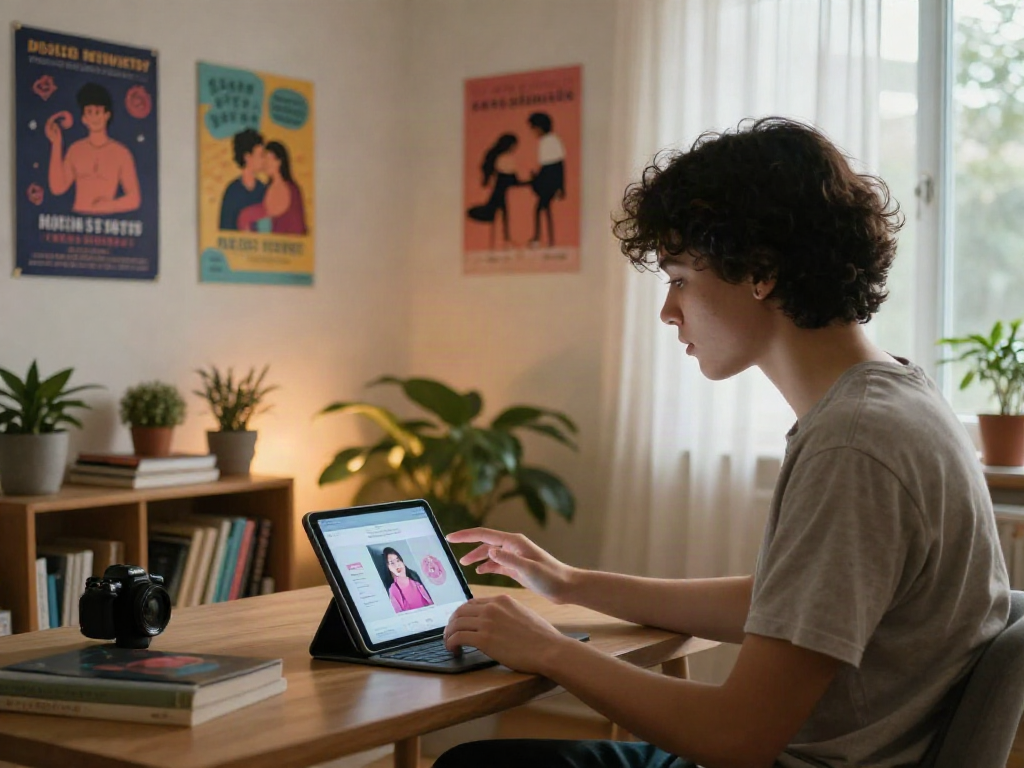
Technological innovations, such as AI and augmented reality, are beginning to reshape the way we perceive doppelgängers. Apps that allow users to morph their images with those of celebrities or even analyze facial features to identify look alikes are on the rise. Such developments will not only enhance user engagement but also broaden the scope of how we interact with celebrity culture.
Predictions for 2026: Evolving Trends in Celebrity Culture
As we look to the future, we can expect the trend of celebrity look alikes to intertwine with various aspects of culture, including fashion, music, and film. The lines between reality and digital personas may blur, leading to an influx of content featuring holographic doppelgängers or reimagined celebrity personas that echo the look of current stars but introduce new narratives.
How to Stay Relevant in the Look Alike Phenomenon
Remaining relevant in the world of look alikes will require adaptability and creativity. Engage with audiences through innovative content, stay updated on social media trends, and explore collaborative opportunities that align with your brand. As look alike culture continues to evolve, so too must the strategies to connect with those fascinated by it.
Who are some celebrity look alikes?
Notable celebrity look alikes include actors, musicians, and even historical figures. Celebrities like Jennifer Lawrence and Elizabeth Banks, or even historical comparisons, such as Leonardo DiCaprio resembling a younger version of a prominent figure, showcase the breadth of this phenomenon.
Who is the most famous doppelganger?
Some of the most famous doppelgangers may include the likes of Natalie Portman and Keira Knightley, as well as Justin Bieber and the popular look alike, Drake Bell. Their similarities captivate the public's imagination, often leading to humorous comparisons and social media engagement.
Which celebrity lookalike?
Each celebrity look alike tells a story, whether it’s a nostalgic resemblance to a historical figure or a contemporary celebrity. Discovering your personal celebrity look alike can be a fun journey, often leading to surprising insights into one's own identity and preferences.
What are some examples of look alikes?
Examples of look alikes span across various fields. From actors that share strikingly similar features, like Zac Efron and his look alike, to public figures that resemble iconic characters in pop culture, the examples are abundant and varied. Each serves as a reminder of the intricate ways in which we connect through likeness.
How can I find my celebrity look alike?
There are several apps and online tools available designed specifically to help individuals identify their celebrity look alikes. Social media platforms also serve as an effective way to share images and gather opinions from a community who might see the resemblance.