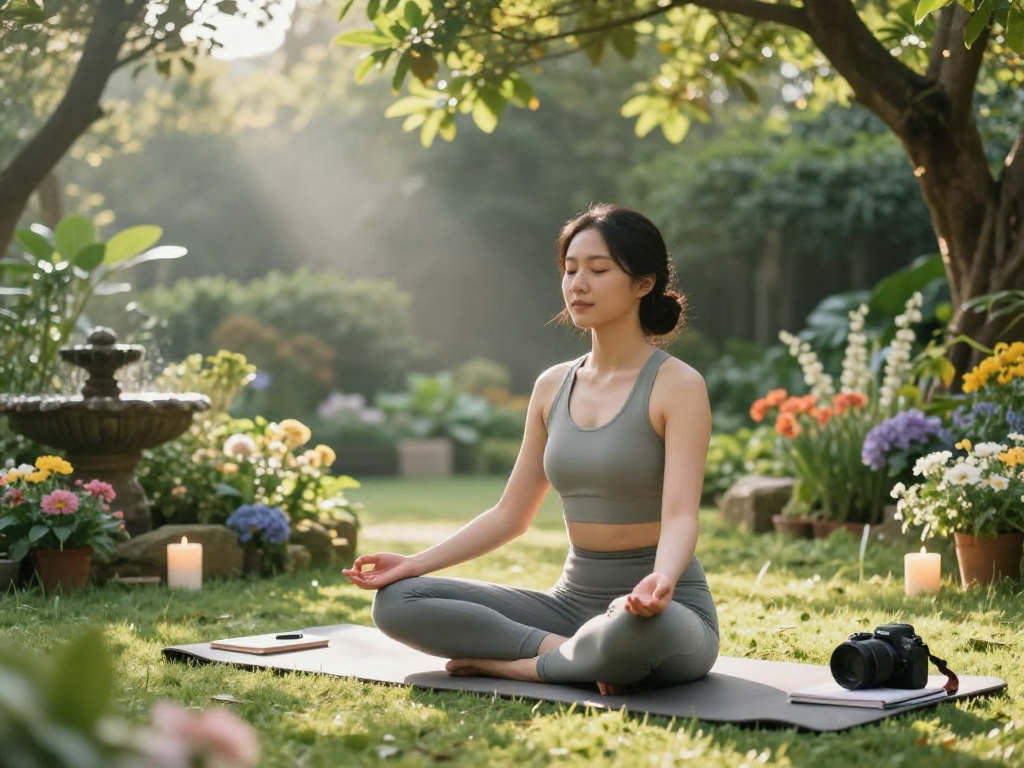
Understanding Mindfulness Meditation
Mindfulness meditation has gained significant popularity in recent years, transcending cultural and geographical boundaries. This practice invites individuals to cultivate awareness and presence in their daily lives, leading to various mental, emotional, and physical benefits. As we delve into the depths of mindfulness meditation, we will explore its essence, origins, and the transformative role of mantra88 in enhancing this experience.
What is Mindfulness Meditation?
Mindfulness meditation is a mental training practice that revolves around maintaining a moment-by-moment awareness of our thoughts, feelings, bodily sensations, and surrounding environment. It involves observing these experiences without judgment, allowing practitioners to develop a deeper understanding of themselves and their reactions. Unlike other forms of meditation that may involve complex visualization or concentration techniques, mindfulness meditation focuses on simply being present. This approach encourages individuals to notice their thoughts as they arise and then gently guide their attention back to their breath or the present moment.
Origins and Benefits of Mindfulness
The roots of mindfulness meditation can be traced back to ancient Eastern traditions, particularly within Buddhism, where it forms a fundamental aspect of spiritual practice. Over the past few decades, it has been adapted and popularized in the West as a secular practice, gaining traction in therapeutic settings. Research has shown that mindfulness meditation can significantly reduce stress, anxiety, and depression, while improving emotional regulation and overall well-being. Furthermore, it enhances cognitive function, boosts creativity, and fosters a more compassionate outlook towards oneself and others.
Key Concepts of Mindfulness and mantra88
At the core of mindfulness meditation lies the concept of acceptance—acknowledging thoughts and feelings as they arise without attaching to them or attempting to alter them. The integration of mantra88 into mindfulness practice serves as a tool for focusing the mind. A mantra, often a sound or phrase, can help practitioners center their thoughts, deepen their concentration, and create a sense of calm. In this way, mantra88 becomes a bridge linking intention with mindfulness, enhancing the overall meditative experience.
Getting Started with Mindfulness Meditation
Embarking on a mindfulness meditation journey can feel overwhelming at first, but with the right preparations, it can become a rewarding practice. It is essential to establish a conducive environment, choose effective tools, and incorporate mantra88 meaningfully into sessions. Here’s how you can get started.
Preparing Your Meditation Space
Creating a dedicated meditation space is crucial for fostering an atmosphere of tranquility and focus. Choose a quiet area where you won't be disturbed. You might want to incorporate elements such as cushions or a meditation bench for comfort, soft lighting, and perhaps even calming scents from essential oils. Personal touches like plants or inspiring artwork can also help in making the space inviting.
Essential Tools and Techniques
While mindfulness meditation primarily requires nothing more than your attention and commitment, certain tools can enhance your practice. Consider using a meditation timer to keep track of your sessions without checking the clock constantly. Meditation apps can also guide you through sessions, providing inspiration and structure. Additionally, incorporating mantra88, whether silently or vocally, can serve as a focal point, grounding your practice.
Incorporating mantra88 into Your Practice
To effectively integrate mantra88 into your mindfulness practice, begin by selecting a mantra that resonates with you. This could be a simple word, phrase, or sound that embodies calmness, strength, or positivity. As you meditate, recite this mantra silently or aloud, allowing it to guide your focus away from distractions. By doing so, you enhance your mindfulness training, promoting deeper immersion into the meditative state.
Common Challenges and How to Overcome Them
Like any practice, mindfulness meditation comes with its own set of challenges. Recognizing and addressing these obstacles can greatly enhance your experience and lead to sustained motivation.
Dealing with Distracting Thoughts
One of the most common hurdles faced by beginners is the onslaught of distracting thoughts. It's essential to understand that this is a normal part of meditation. When you notice your mind wandering, gently acknowledge the distraction and redirect your focus back to your breath or mantra88. This practice of returning to the present moment builds mental resilience and strengthens your mindfulness skills.
Building Consistency in Your Practice
Consistency is vital for reaping the full benefits of mindfulness meditation. Set a regular schedule that fits your lifestyle, even if it means starting with just a few minutes each day. Consider keeping a meditation journal where you can track your progress, insights, and feelings after each session. This can not only act as motivation but also deepen your understanding of how mindfulness impacts your life.
Understanding Expectations in Meditation
It’s important to approach mindfulness meditation with realistic expectations. Unlike achieving immediate results, meditation unfolds gradually. Some sessions may feel more productive than others, and that’s perfectly okay. Embrace the journey without pressuring yourself for perfection; instead, focus on enjoying the experience of being present and exploring your inner world.
Advanced Mindfulness Techniques
As you become more comfortable with mindfulness meditation, you can explore advanced techniques that deepen your practice and enrich your experience.
Integrating mantra88 into Daily Life
Beyond designated meditation sessions, you can weave mantra88 into your daily routine. Whether waiting in line or experiencing stress at work, silently repeating your mantra can help recalibrate your focus and bring mindfulness into everyday activities. This practice not only reinforces your mindfulness but also cultivates a sense of calm and presence.
Exploring Different Meditation Styles
There is a diverse array of meditation styles, from loving-kindness meditation to body scan techniques. Exploring different methods can help you find the approach that resonates most with you. Consider participating in local classes, workshops, or online courses to expand your knowledge and experience of mindfulness practices.
Utilizing Guided Meditations for Deeper Practice
Guided meditations can be a wonderful tool for both beginners and seasoned practitioners. These sessions, led by experienced instructors, often introduce specific themes or styles, making the meditation process more structured. Many apps and online platforms offer a variety of guided meditations that can enhance your experience while providing insights into the practice.
Future Trends in Mindfulness and Meditation
The landscape of mindfulness and meditation continues to evolve, influenced by technological advancements and societal shifts. Here are some anticipated trends for the near future.
The Role of Technology in Meditation
As we move towards 2026 and beyond, technology's role in mindfulness meditation is expected to grow exponentially. With the rise of virtual reality (VR) experiences, practitioners can immerse themselves in calming environments that enhance meditation practices. Additionally, artificial intelligence (AI) algorithms may personalize meditation sessions to cater to individual needs, making mindfulness more accessible than ever.
Community and Support for Practitioners
The importance of community in mindfulness practice is becoming increasingly recognized. Online forums, local meditation groups, and workshops offer spaces for practitioners to share experiences, insights, and support. Engaging with a community can significantly bolster motivation and enhance understanding of mindfulness principles.
Predictions for Mindfulness in 2026 and Beyond
As mindfulness continues to gain traction across various demographics, we can expect it to be integrated into educational systems, corporate wellness programs, and healthcare practices. This shift could lead to a more widespread understanding of mental health and well-being, encouraging a proactive approach to stress and anxiety. Embracing mantra88 as a tangible element in this evolution, practitioners may find even greater depth in their mindfulness experiences, facilitating personal growth and societal well-being.
What is mantra88 and its significance?
Mantra88 refers to a specific sound or phrase that, when utilized in meditation, creates a focal point for practitioners. Its significance lies in its ability to enhance concentration and promote a sense of tranquility. By repeating mantra88 during practice, individuals can anchor themselves in the present moment, alleviating distractions and deepening their meditative experience.
How can mindfulness meditation improve mental health?
Mindfulness meditation has been shown to improve mental health through various mechanisms. Studies indicate that regular practice can reduce levels of stress, anxiety, and depression. By fostering a non-judgmental awareness of thoughts and emotions, individuals can develop healthier coping strategies and emotional regulation skills. Ultimately, this leads to greater resilience and a more positive outlook on life.
What are common misconceptions about meditation?
Many misconceptions surround meditation, such as the idea that it requires complete stillness and silence or that it is only for those seeking spiritual enlightenment. In reality, meditation is a flexible practice that can be tailored to individual needs and preferences. Additionally, it is perfectly normal for thoughts to arise during sessions; the key is to acknowledge them without judgment and gently return to focus.
Are there specific techniques for beginners?
For beginners, starting with short sessions of just a few minutes a day can be beneficial. Techniques such as breathing exercises, body scans, and mantra repetition can serve as effective gateways into mindfulness meditation. It's also essential to maintain an open mind and be patient with oneself during this learning process.
How to stay motivated in your meditation journey?
Staying motivated in your meditation journey can be challenging. One effective strategy is to set specific goals related to your practice, such as increasing session duration or experimenting with different styles. Additionally, connecting with a community or finding a meditation buddy can provide support and encouragement. Remember to celebrate your progress, no matter how small, and always approach your practice with curiosity and compassion.